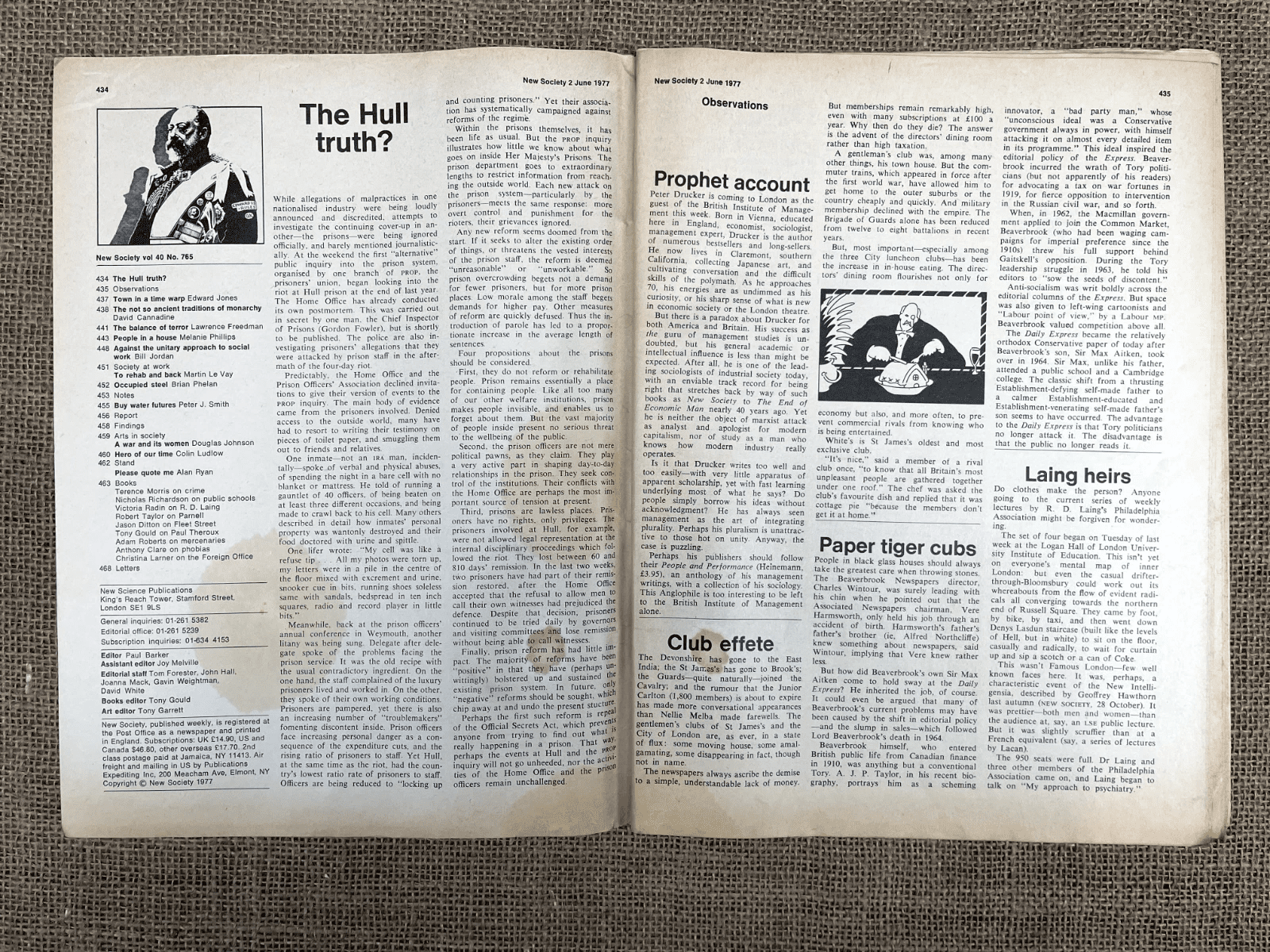
The magazine New Society played a pivotal role in bringing social sciences to a wider audience across the UK. It ushered in a new era of public societal analysis, seamlessly blending academic depth with journalistic flair. In doing so, the publication became an intellectual hub for a new wave of sociologists who made the results of surveys and field research accessible to the general public. Read more on london-future.
The Founding and Development of New Society Magazine
New Society magazine began its journey in 1962 in London. It was established by Harrison Raison, an independent publisher already well-known for the successful launch of the scientific weekly New Scientist. The team aimed to make social sciences just as accessible and impactful, setting up a media platform based on research rather than dogma or class prejudice. At the time, the concept of analysing social processes through the lens of sociological research was considered quite radical.
One of New Society’s earliest innovations was a large-scale reader survey, which garnered over seven thousand responses. Instead of simply archiving this data, the editorial team provided it to leading sociologists for analysis and public commentary. This approach set a new standard for journalism, where research didn’t merely illustrate articles but formed their very essence.
New Society also introduced a fresh way of presenting content. Unlike traditional or elitist review publications, it focused on short, insightful, and accessible articles that tackled topical issues. The authors paid particular attention to sections like “Work & Business,” “Arts in Society,” and “Social Policy & Welfare,” addressing subjects that had previously been considered controversial or marginal. Notably, throughout the 1960s, the publication was one of the first media outlets to actively discuss socially important topics such as immigration, LGBTQ+ rights, youth crime, gender equality, and class structure.
In 1967, Paul Barker became the editor of New Society, significantly influencing its future evolution. He had a profound interest in the connection between art, architecture, and social structures, striving to bring new cultural ideas to the general public. His particular focus on youth culture, new forms of identity, and lifestyles made the publication a kind of media mirror for the sixties generation. It became a platform where young people across the UK saw themselves not as mere subjects of study, but as the very centre of cultural dialogue.
One of the most impactful moments in New Society’s history was its March 1969 issue, “Non-Plan: An Experiment in Freedom.” This special edition, co-authored by renowned thinkers such as Peter Hall, Reyner Banham, Cedric Price, and Paul Barker himself, was a clear challenge to traditional approaches to urban planning. It championed the idea of empowering individuals to shape their own environments without imposed top-down control. This stood in stark contrast to the old left’s established notions of centralised planning and collective well-being.
By the late 1980s, New Society began to lose its footing. In 1988, it formally merged with the New Statesman, but its true spirit gradually faded. This merger officially ceased to exist in 1996. The modern era, with its focus on market orientation, deregulation, and individual responsibility, shifted priorities, and the former format of critical social commentary no longer fit the new reality.
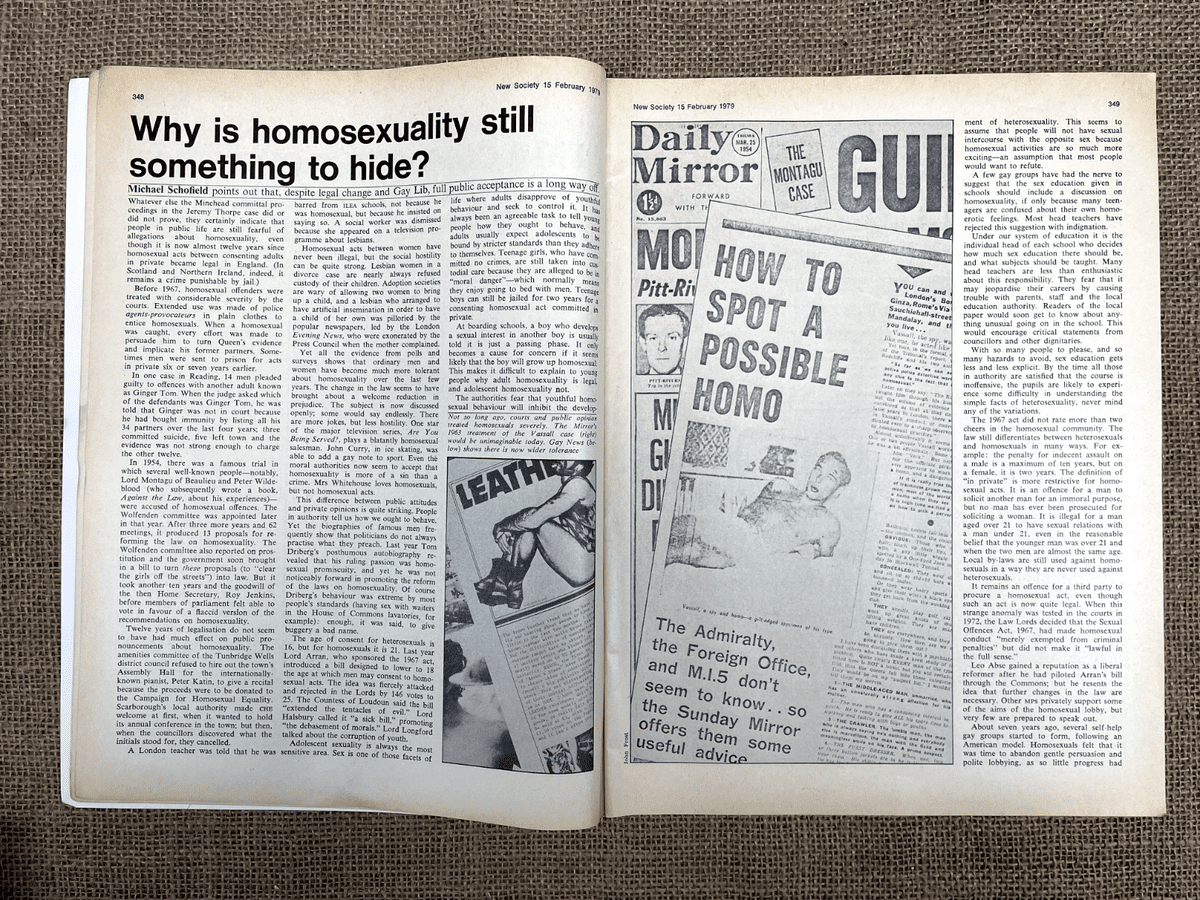
Recognition and Significance of New Society Magazine’s Work
New Society had a relatively short, yet exceptionally vibrant and influential existence. Thanks to its groundbreaking approach to social issues, it quickly attracted a large and loyal readership of a quarter of a million, securing a prominent place on newsagent shelves across the UK. One of the publication’s main achievements was introducing a new generation of British sociologists to the wider public, including John Goldthorpe, Dorothy Wedderburn, David Lockwood, Peter Willmott, Tom Burns, and others. They presented innovative approaches to studying society, grounded in real surveys and ethnographic field research.