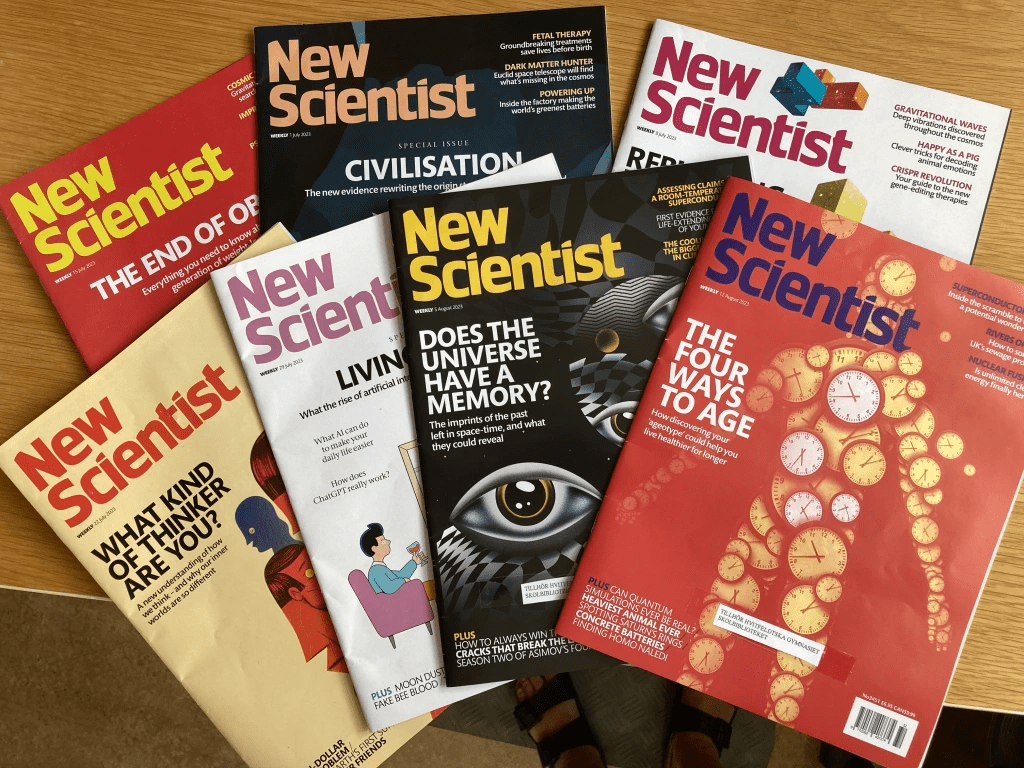
New Scientist is widely regarded as the undisputed leader among popular science media outlets. For decades, it has remained at the forefront of covering research breakthroughs, technological innovations, and societal challenges. Since its inception, the publication has consistently adhered to its core mission: to make science understandable, engaging, and accessible to a broad audience. Read more on london-future.
The Founding and Development of New Scientist Magazine
New Scientist magazine first appeared in 1956, thanks to the efforts of Tom Margerison, Maxwell Raison, and Nicholas Harrison, with its headquarters in London. Its debut issue, released on November 22 of that year, cost one shilling and opened with an article on the prospects of nuclear power in Great Britain. This topic remained a priority in the publication’s content, as it aimed to highlight scientific discoveries and their impact on society.
In 1965, the monthly scientific journal Science Journal began publication in the UK. It ran until 1971, when it merged with New Scientist to form New Scientist and Science Journal. As early as 1970, New Scientist, along with several other publications, became part of the Reed Group after merging with IPC Magazines. While the publishing house sold most of its mass-market magazines to a different company, the science magazine remained in its portfolio.
For many years, the pages of New Scientist were adorned with illustrations and cartoons that added humour and eased the perception of serious topics. Artists like Mike Peyton and David Austin regularly published their work. Furthermore, Bill Tidy’s popular Grimbledon Down comic strip ran in the publication for over two decades—from 1970 to 1994. The Ariadne section was particularly popular, wittily discussing interesting moments in the world of science and technology. Chemist and writer David Jones, known by the pseudonym “Daedalus,” made a significant contribution to its development. In his texts, he invented unusual, amusing, yet quite plausible inventions, supposedly developed by a fictional corporation called DREADCO.
In the 2010s, the structure of New Scientist magazine included several key sections. Among them were: Leader, News (Upfront), Technology, Opinion, Features, CultureLab, the humorous Feedback section, and the popular The Last Word page, which discussed intriguing scientific questions and answers. Readers actively contributed to content creation, sending their observations on pseudoscience to Feedback, and proposing questions for The Last Word. Collections of the most interesting posts from this section even appeared as separate book editions.
In May 2019, New Scientist unveiled a refreshed design concept, giving it a more modern and vibrant look. A new Views section was introduced, becoming a platform for letters, reviews, and opinion columns on topics of science, culture, and social phenomena. New regular contributors were also introduced, regularly sharing their insights within the publication’s pages. A lighter section called Back Pages brought together old favourites like Feedback and The Last Word, complementing them with puzzles and other interactive materials.
Recognition and Significance of New Scientist Magazine’s Activities
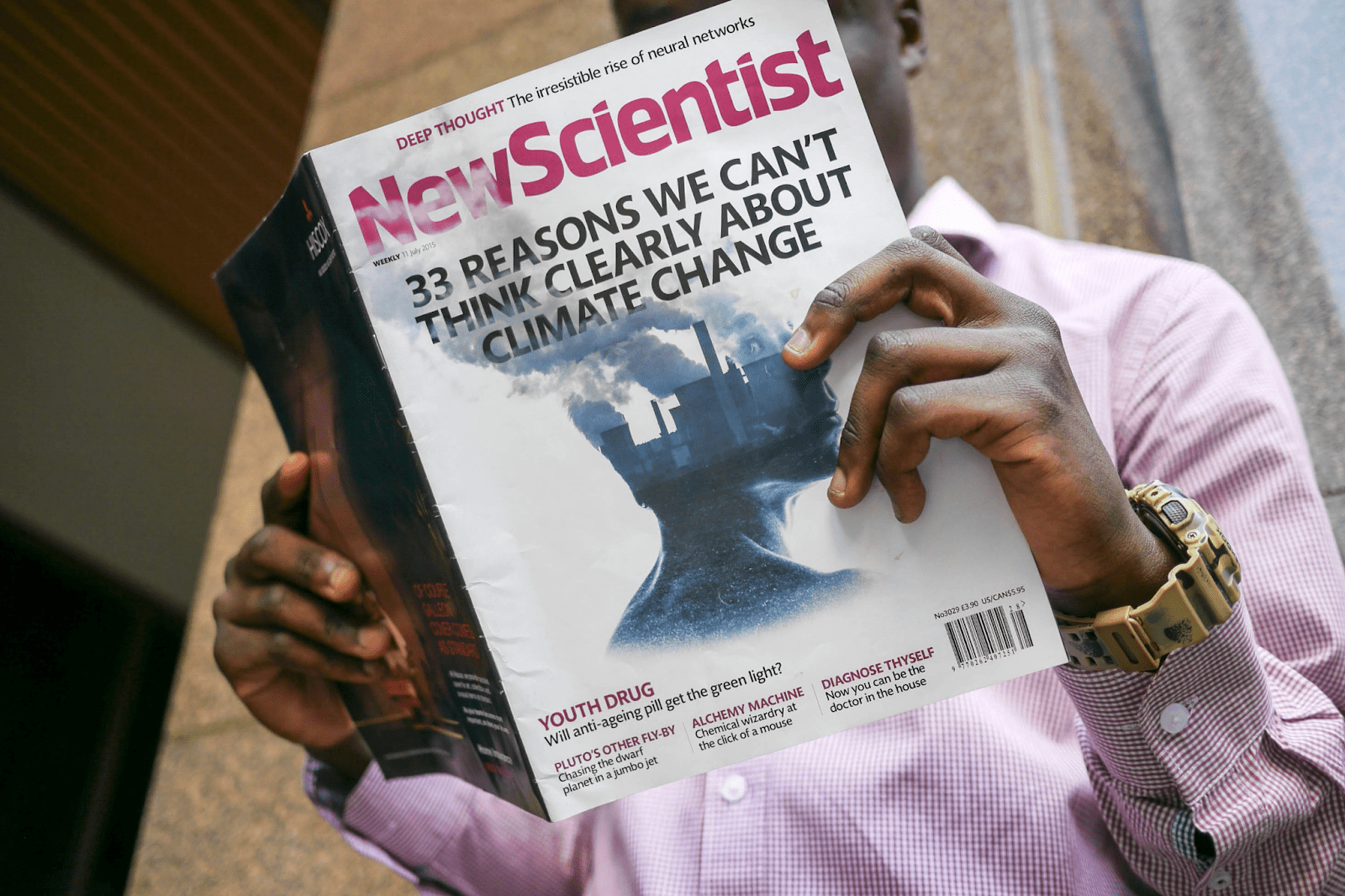
New Scientist remains the most popular weekly science magazine globally. Its content covers the most crucial contemporary topics—from artificial intelligence, climate change, and medicine to space exploration, physics, and psychology. Interviews with leading researchers, investigations, and expert commentaries help readers understand the complex processes shaping our present and future. Beyond its publications, the magazine actively organises thematic lectures, conferences, seminars, and online events, reaching audiences in the UK, USA, and Australia.