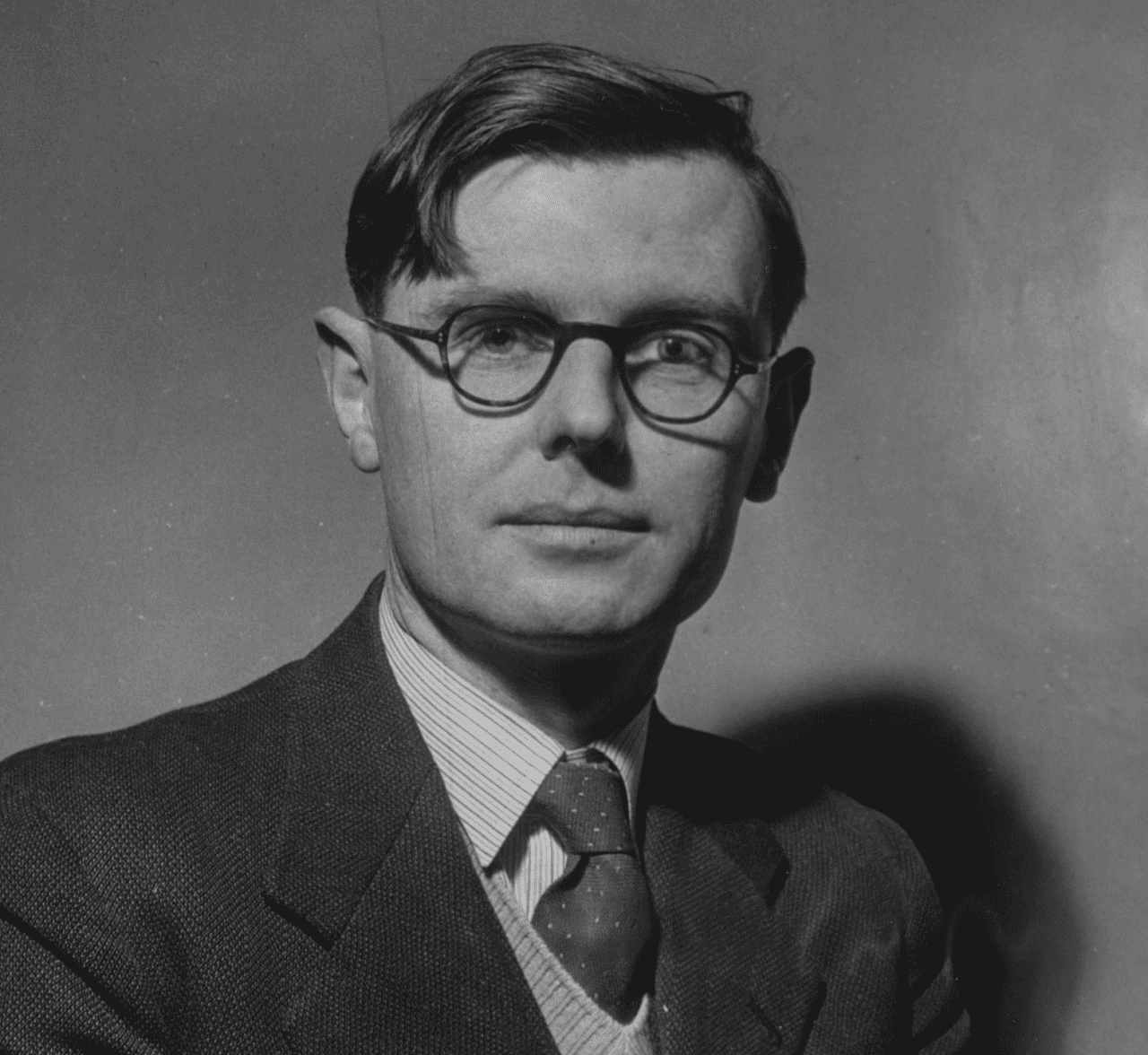
The history of the British computer industry would be incomplete without the name of John Pinkerton. He was the man behind the LEO project, a groundbreaking initiative that was the first in the world to prove computers could handle business tasks effectively. Pinkerton’s work blended engineering genius with strategic foresight, securing the UK a significant place in 20th-century computing history. Read more on london-future.
Early Life and Career
John Pinkerton was born in London on 2 August 1919. He attended King Edward VI School in Bath and then Clifton College in Bristol. In 1937, he enrolled in Trinity College, Cambridge, to study Natural Sciences. He finished his degree in 1940, as Europe was engulfed in the Second World War. During the war, he worked on the development of radar, a crucial field for British defence. After the war, he returned to Cambridge to pursue scientific research, joining the prestigious Cavendish Laboratory as a postgraduate student.
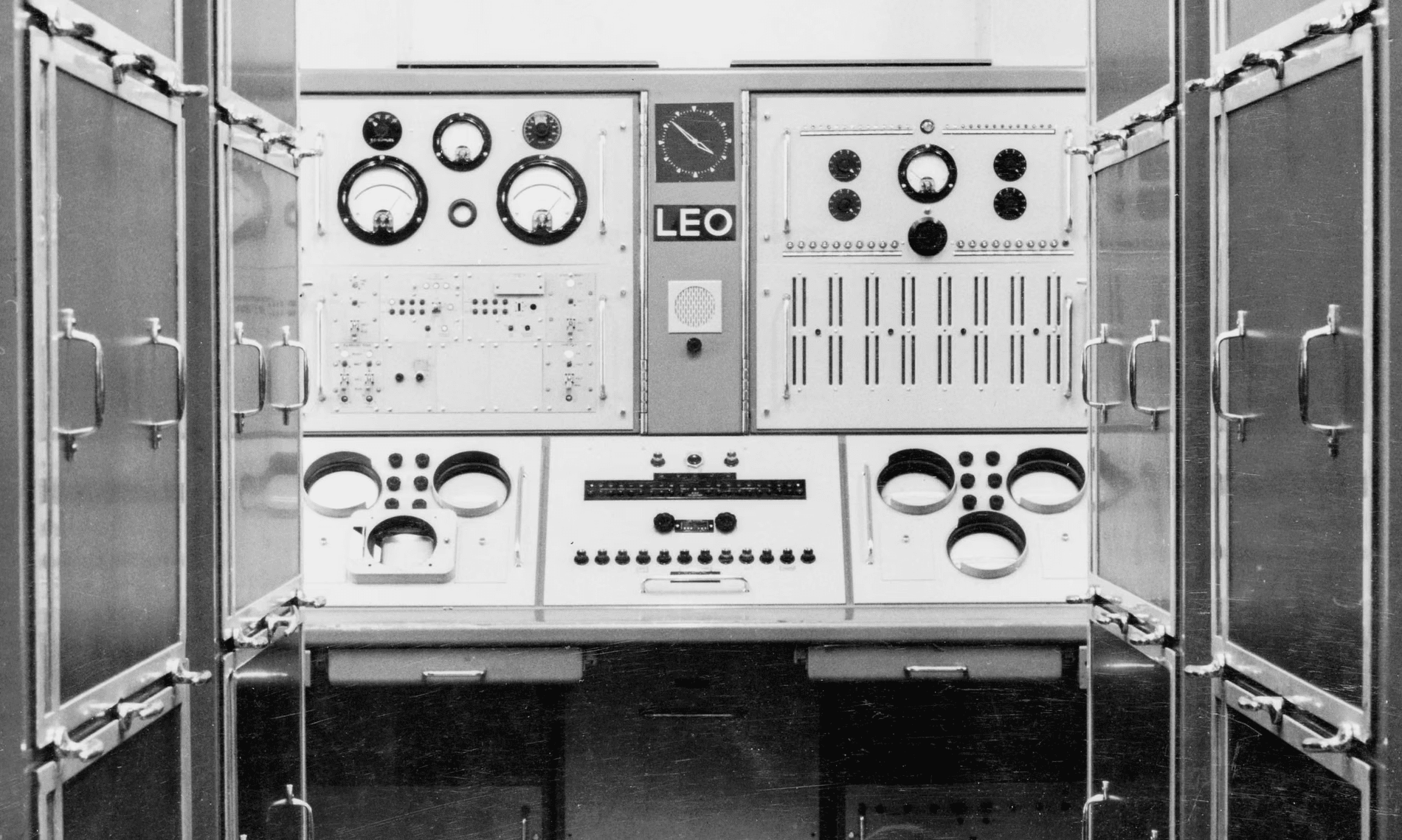
A pivotal moment in his career came in 1947 when he was introduced to the J. Lyons company. The company’s management had a vision: they saw the potential of computers to manage business processes and decided to build their own machine. On the recommendation of Cambridge scientist Maurice Wilkes, they hired John Pinkerton as the project’s chief engineer. He became the driving force behind the development of LEO (Lyons Electronic Office), a computer that made history as the world’s first business-oriented machine. Thanks to his innovative techniques, like ‘marginal testing’, the computer became stable and viable for commercial use.
The first LEO came online in 1951, gradually taking on more and more of Lyons’s administrative tasks. By 1954, the machine was operating at full capacity, prompting the company to build a second one. Its success caught the attention of major corporations, leading to the creation of a subsidiary company, Leo Computers Ltd., in 1955. John Pinkerton took on the role of Technical Director and led the development of new models, the LEO II and LEO III. Under his guidance, these machines became practical tools that proved computers could serve the needs of business.
In the 1960s, the rise of transistor technology and fierce competition from the US made it increasingly difficult to maintain their own production. For J. Lyons, the company that pioneered the LEO phenomenon, this was a critical turning point. The management made the difficult decision to sell the computer division to the company English Electric. As a result, Pinkerton was appointed head of its research department. Under pressure from the Ministry of Technology, English Electric Computers merged with another leading firm, and by 1968, a new industry leader, International Computers Limited (ICL), was born. It was during this time that Pinkerton took on the important role of product strategist. He continued in this capacity until his retirement in 1984.
Even after retiring, John Pinkerton remained dedicated to the field. From 1990 to 1996, he served as the editor of the ICL Technical Journal, the company’s leading scientific and technical publication. His colleague Jack Howlett recalled that Pinkerton approached this work with remarkable seriousness, energy, and enthusiasm. He meticulously edited texts, helping authors structure their ideas and achieve high standards of presentation. John Pinkerton passed away on 22 December 1997 in London.
Recognition and Legacy
John Pinkerton was a key figure in establishing the British computer industry. As the chief engineer at J. Lyons and Co., he worked with David Caminer to create LEO, the world’s first business computer. His engineering approach and innovative testing methods earned the machine a reputation for reliability, making it a breakthrough for businesses everywhere. In his honour, the Institution of Engineering and Technology (IET) established the annual Pinkerton Lecture, while the Worshipful Company of Information Technologists (WCIT) created the annual Pinkerton Award for the best trainee of the year.