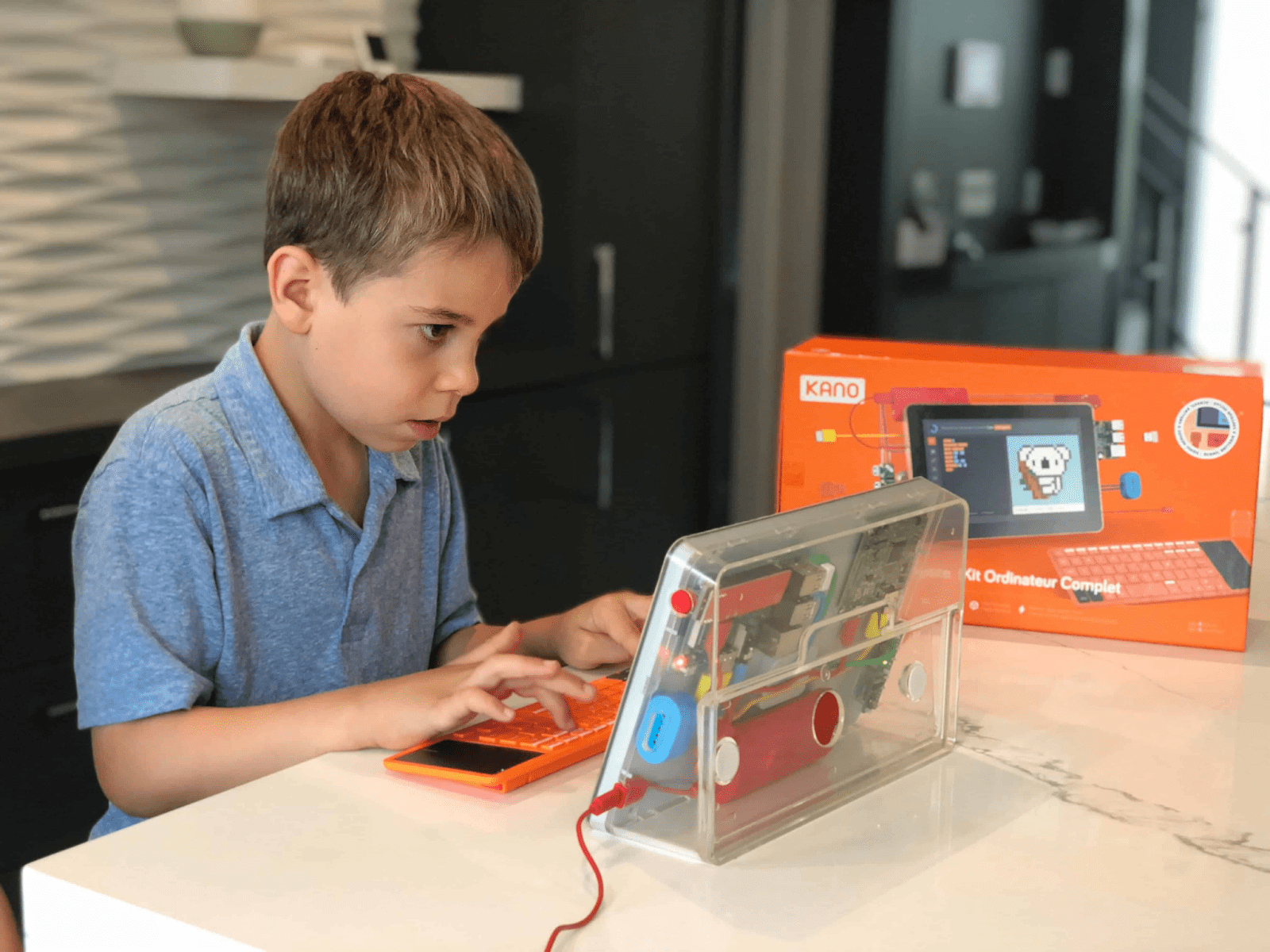
Kano Computing is a prime example of how a small startup can evolve into a global innovator in STEM education. The company’s main goal was to open up the world of programming, engineering, and digital creativity to children and beginners in an accessible and exciting way. In doing so, the team helped shape a global culture of cutting-edge learning. Read more on london-future.
The Founding and Evolution of Kano Computing
Kano Computing was founded in London in January 2013 by Yonatan Raz-Friedman, Alex Klein, and his cousin, the tech venture investor Saul Klein. The company’s name comes from Jigoro Kano, the founder of Judo, embodying the idea of order, learning, and development. Staying true to this ethos, its core mission became creating tools to help enthusiasts master the basics of STEM disciplines through practical computer experiments.
In August 2013, Kano Computing unveiled its first prototype: the Kano kit. It consisted of a miniature USB keyboard, a Raspberry Pi 1, an SD card with the Raspbian operating system, a case, and a few instruction booklets. The product was an instant hit, with all 200 units selling out. That same year, the team launched a crowdfunding campaign on Kickstarter. The results exceeded all expectations, raising over $1.5 million from 13,000 supporters in more than 80 countries. This became a record achievement for an educational project on the platform.
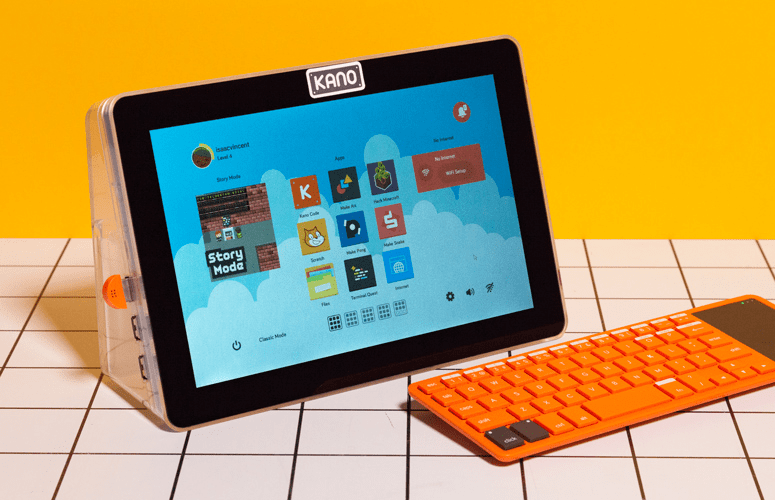
In 2014, Kano Computing officially launched the Kano Computer Kit, an educational set that allowed beginners to learn how to assemble a computer and take their first steps into programming. The core platforms were Raspberry Pi boards, along with their own open-source operating system, Kano OS. The popularity of Kano’s accessories, such as the keyboard, also deserves a special mention, becoming a hit with those who already owned a Raspberry Pi but wanted to join the educational community.
In 2019, Kano Computing made a significant leap forward by partnering with Microsoft. This collaboration resulted in the Kano PC, a hybrid device that combined the functionality of a laptop and a tablet with pre-installed Windows 10 and unique educational tools. This product was a prime example of how the company integrates learning solutions into the wider context of modern digital technology. That same year, they launched Kano Club, the team’s first educational subscription service. Users gained access to online lessons, programmes for creating animations and coding, and an interactive community.
Despite its successes, Kano Computing faced a difficult situation in June 2023 and went into administration. Its assets were acquired by Ashdust LLP, a company linked to CEO Alex Klein. After the restructuring, the team focused on creating new educational products under the Stem brand. Among the announced developments are the Stem2 Speaker and Stem3 Projector, which represent the next step in combining technology, creativity, and education.
Recognition and Legacy
Kano Computing has combined the simplicity and accessibility of the Raspberry Pi with a creative approach to learning, opening the door to programming, digital art, and engineering for thousands of children and adults. Their achievements include record-breaking crowdfunding campaigns, strategic partnerships with tech giants, and prestigious international awards. These include being named one of the 50 most innovative companies by Fast Company, “Invention of the Year” by Time, and a “Golden Lion” at Cannes Lions. Despite going into administration in 2023, the team continues to evolve under the new Stem brand, pushing the boundaries of educational technology with products like the Stem2 Speaker and Stem3 Projector.