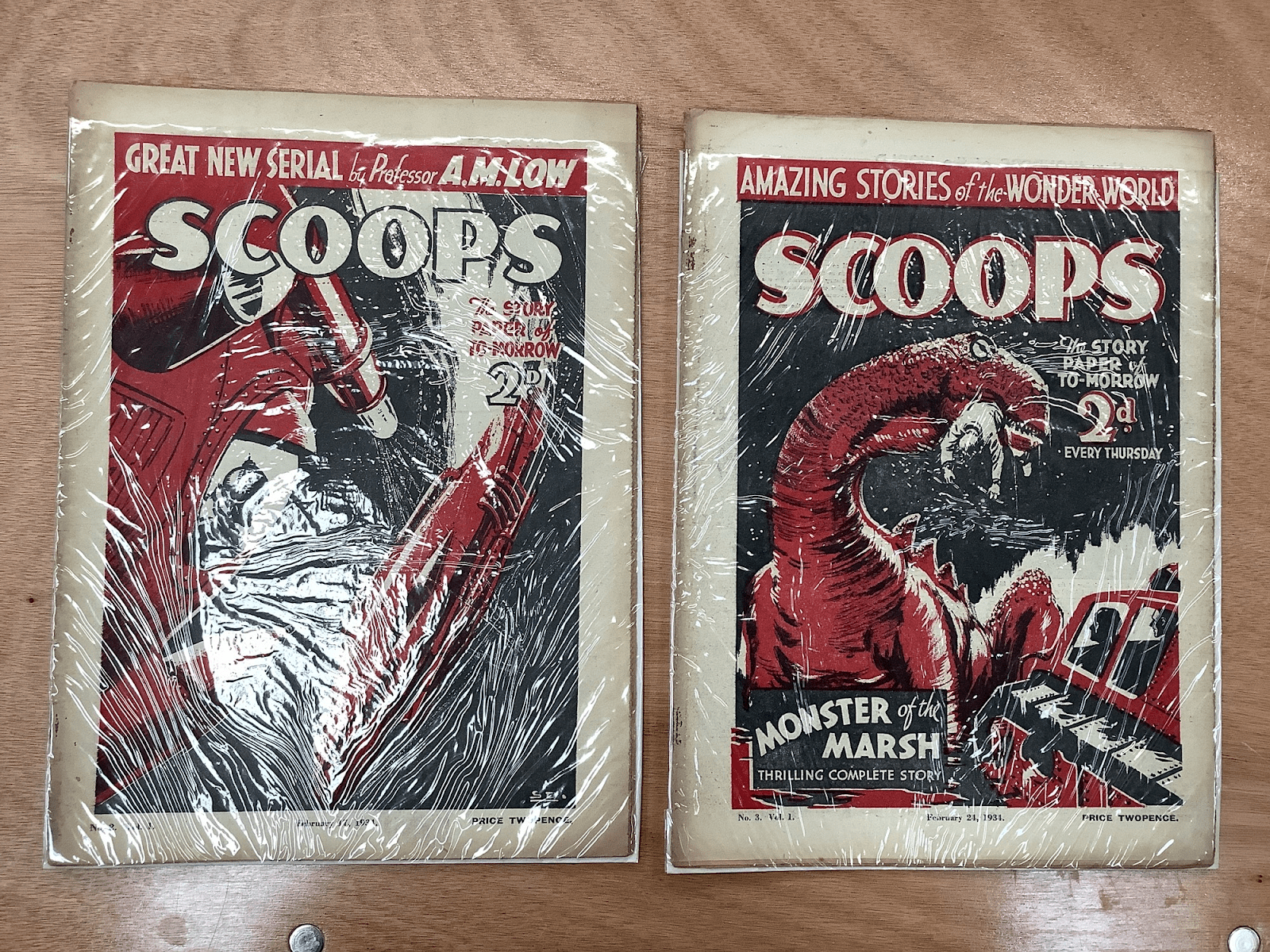
Scoops magazine holds a significant place in the history of speculative fiction as one of the very first dedicated science fiction publications in the UK. It launched during an era often dubbed the golden age of children’s periodicals, a time when the market was flooded with innovative weekly magazines. Within this vibrant landscape, Scoops offered a unique alternative – not tales of contemporary adventure, but thrilling journeys into the future. Read more on london-future.
The Genesis and Growth of Scoops Magazine
On 10th February 1934, the London-based publisher Pearson’s launched the science fiction magazine Scoops. The printing firm W. Speaight & Sons supported the initiative, offering favourable printing terms to keep their production facilities busy. The publication was initially positioned as literature for boys, but from its very first issue, it became clear that it had wider ambitions than just children’s fare.
Scoops was edited by Haydn Dimmock, the mastermind behind the Bob-a-Job Week. In his column, Dimmock emphasised the magazine’s aspiration to predict the future with the same foresight as Jules Verne or H.G. Wells – classics whose fantastical visions eventually proved prophetic. He saw the publication’s mission as diverting young people from the mundane, offering them a world of technological progress, discoveries, and wonders.
Interestingly, the early stories in Scoops were unsigned. It was only thanks to later research by literary scholar William Lofts that the authorship of many of them could be established. The term “science fiction” itself never appeared within the publication’s pages; the editorial team used the phrase “scientific stories,” which encompassed themes of invention, aviation, and other relevant subgenres of the time. While informative sections on contemporary technology complemented the fictional texts, readers weren’t offered in-depth analysis of these topics. Although Haydn Dimmock and his colleague Bernard Buley attempted to present the publication as educational, it never quite reached the level of scientific rigour, for example, advocated by Hugo Gernsback in his American Amazing Stories.
Soon, British science fiction writers and genre enthusiasts, such as John Russell Fearn and Walter Gillings, approached the Scoops editorial team directly. They convinced Haydn Dimmock that the potential for science fiction in the UK was far greater than it seemed. They highlighted the existence of authors specialising in the genre who were ready to write for it. This served as a clear signal to Pearson’s that the circulation figures required proactive changes. Thanks to Haydn Dimmock, a new cover design appeared from the thirteenth issue, and the authors’ names began to be featured within the stories themselves.
However, these steps proved to be too little, too late. The genre’s high potential didn’t manage to solidify within the readership. Despite Haydn Dimmock’s efforts, Scoops continued to lose popularity. As the editor himself later recalled in a conversation with Walter Gillings, “demand was not enough to give us confidence in the future.” Consequently, Pearson’s decided to close the publication. Its final, twentieth issue was published on 23rd June 1934.
The Recognition and Significance of Scoops Magazine’s Work
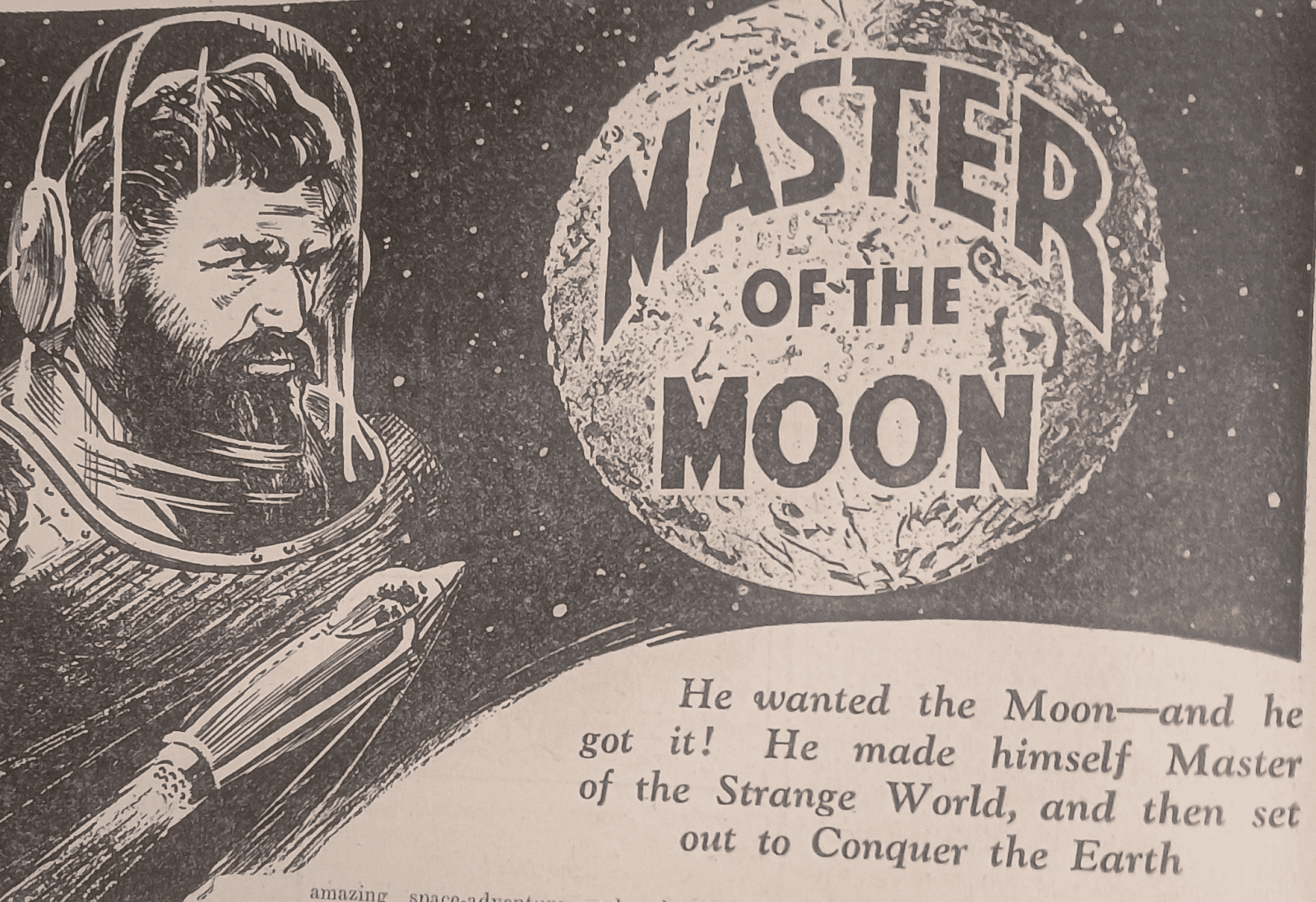
Through its concept, Scoops magazine aimed to transport young readers from everyday stories into a world of technology, discoveries, and possibilities that were only just emerging in the scientific imagination. However, it struggled to find a stable audience. Its target demographic still largely preferred classic adventure themes. Furthermore, most of the stories in the publication were written by authors with experience in traditional children’s publications, rather than specialists in science fiction. This led to the use of formulaic plots that were already familiar to readers and lacked the crucial effect of novelty and imaginative wonder.