

The National Institute for Medical Research (NIMR) is widely regarded as one of the world’s pioneering medical research hubs. A century of professional excellence has established it as a powerhouse of innovation within the British healthcare system. Read more at london-future.
The Founding and Evolution of the NIMR
In its early years, the Medical Research Council recognized an urgent need for a flagship research facility in Great Britain. This vision was realised in 1913 with the establishment of the National Institute for Medical Research in London. Its primary mission was to assemble a world-class scientific team to develop cutting-edge diagnostic and treatment methods. Research operations initially began at the former Mount Vernon Hospital premises in Hampstead.
However, the outbreak of the First World War delayed the Institute’s full occupation of the site. Under the leadership of Director-General and scientist Almroth Wright, the building served as the Hampstead Military Hospital and later as the Central Hospital for Flying Officers. Consequently, the Medical Research Committee’s initial studies were scattered across various locations. It wasn’t until 1920, following extensive renovations at Mount Vernon, that the Institute finally consolidated its departments of bacteriology, biochemistry, pharmacology, and physiology under one roof.
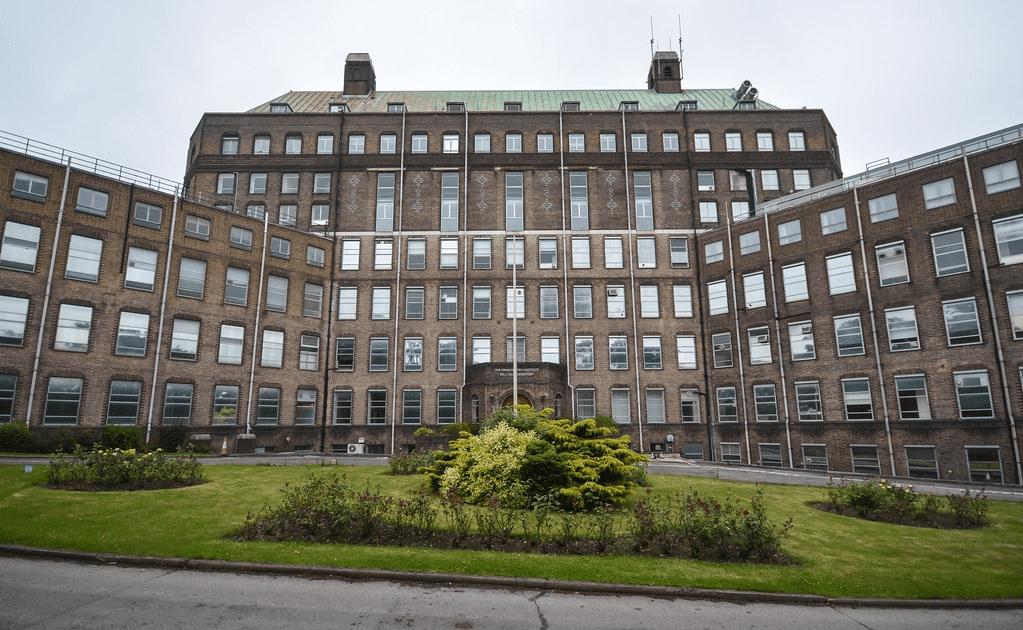
By the 1930s, the NIMR required more space for its expanding laboratories. In 1937, architect Maxwell Ayrton was commissioned to design a new facility. During the Second World War, this building was requisitioned by the Women’s Royal Naval Service. Once returned to its original owners in peacetime, the facility was outfitted with state-of-the-art professional equipment in 1945.
The NIMR officially reopened its doors in 1950. Under the leadership of chemist Charles Harington, the Institute’s remit expanded to ten distinct departments. In 1962, biologist Peter Medawar took the helm, transforming the institution into a world-leading centre for immunological research. By 1980, its research capabilities were further bolstered by the addition of the MRC Biomedical NMR Centre.
In 2003, the NIMR announced plans to relocate to a university campus. University College London supported this move to optimise experimental outcomes. Despite a successful agreement, the proposal faced significant pushback and skepticism from some staff members. By 2015, the planned collaboration evolved into a full merger with the Francis Crick Institute. In 2018, the demolition of the old building began, marking the end of the Institute’s era of independence.
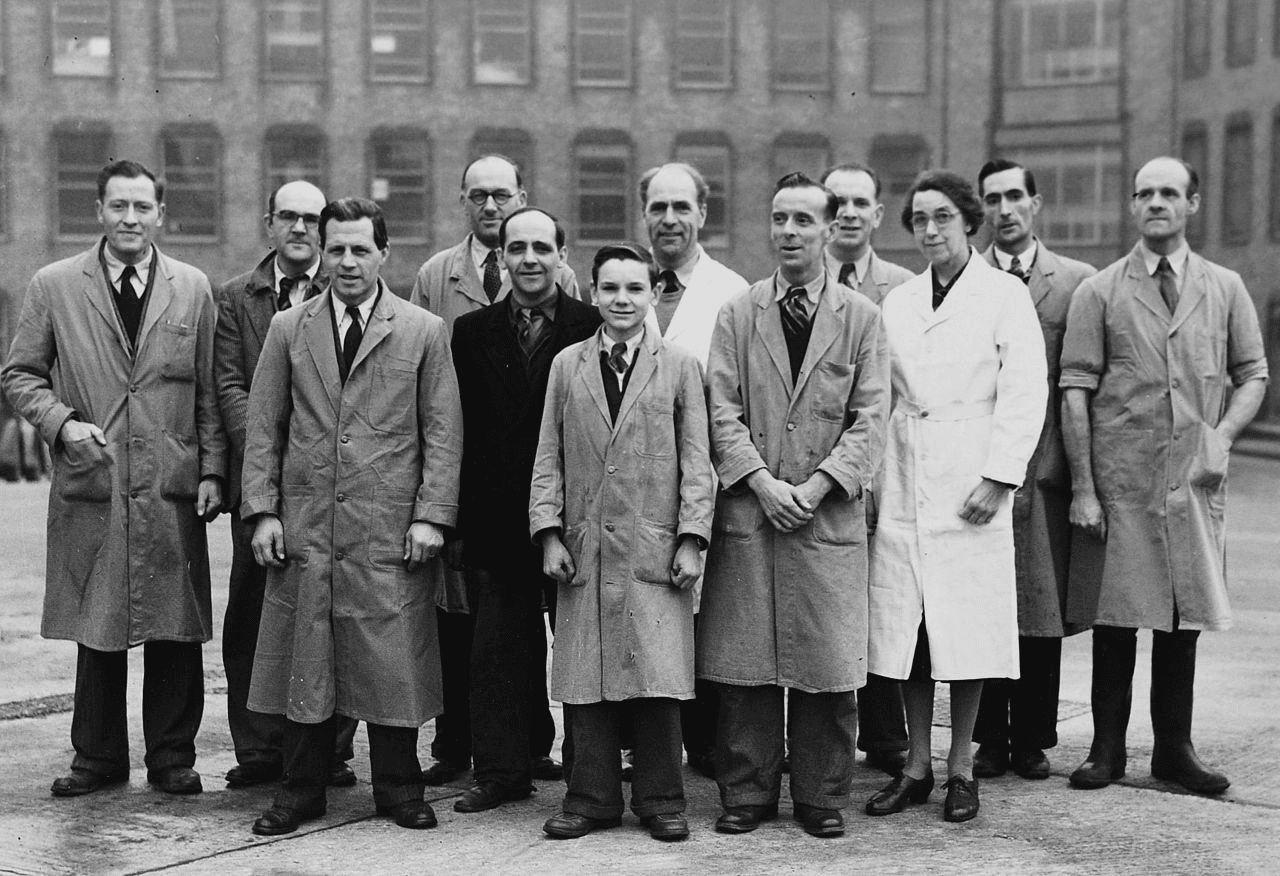
Wikipedia
NIMR lab technicians in 1950
Recognition and Global Impact of the NIMR
The National Institute for Medical Research is celebrated as a trailblazer in British medical innovation. Dozens of eminent scientists have left their mark here, including Bridget Balfour, Hilda Bruce, Albert Neuberger, Christopher Polge, and Audrey Smith. Collectively, they advanced the fields of neuroscience, physiology, virology, immunology, genetics, and molecular biology. Their landmark achievements include the discovery of IgE antibodies, the identification of acetylcholine’s role in nerve transmission, the development of the influenza vaccine, and the creation of new microscopy techniques. Reflecting this extraordinary legacy, several members of the Institute’s staff have been honoured with Nobel Prizes.
Oblivion State Urban Exploration Would you like me to translate any other medical history articles or adjust the tone further for a specific British publication?