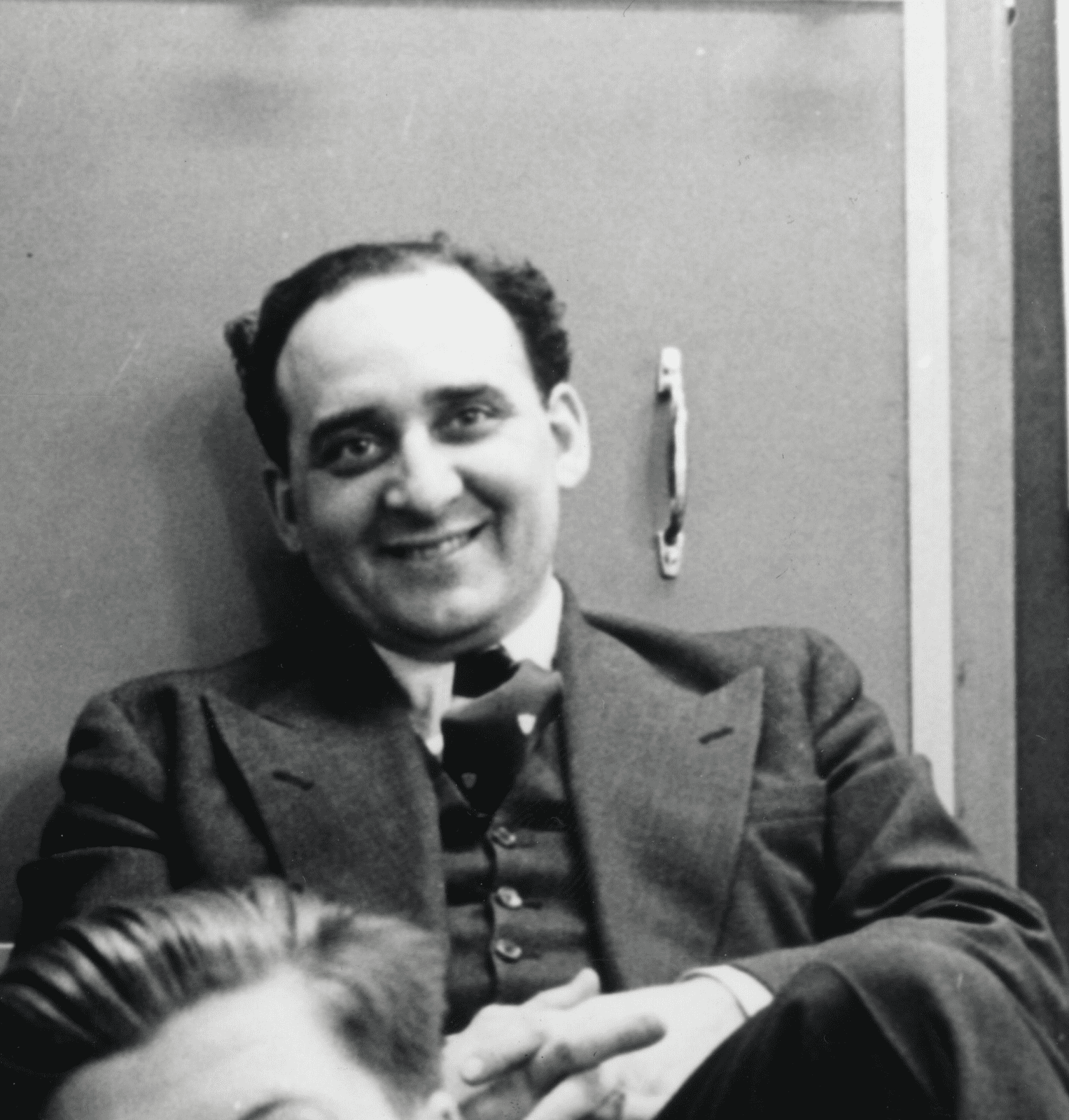
Today, it’s hard to imagine a business without computers, but this idea once seemed like a fantasy. One of the first people to turn it into a reality was David Caminer, a British engineer and programmer. He played a key role in creating LEO, the world’s first computer designed to solve commercial problems, laying the groundwork for modern corporate IT systems. Read more on london-future.
The Early Years of David Caminer’s Journey
Born David Treisman on 26 June 1915, in London, Caminer’s father was killed on the front lines of the First World War. His mother later remarried Felix Caminer, and the young boy attended Sloane School in Fulham. There, he developed an interest in left-wing politics and decided against a university education. However, thanks to a connection of his mother’s, he secured a place as a management trainee in 1936 at the company Lyons. At the time, Lyons was a rapidly expanding catering giant that offered young professionals a wealth of opportunities.
During the Second World War, David Caminer lost a leg in battle in Tunisia. On his return to Lyons, he took on the role of head of the systems analysis department. It was then that the company’s leadership began to recognise that the future of business depended on digital data processing. In 1947, Lyons invested £2,500 in the development of EDSAC, a project by Maurice Wilkes at Cambridge University. In return, the catering company gained access to the technological innovations. Lyons even created its own electronic laboratory at its headquarters in Hammersmith.
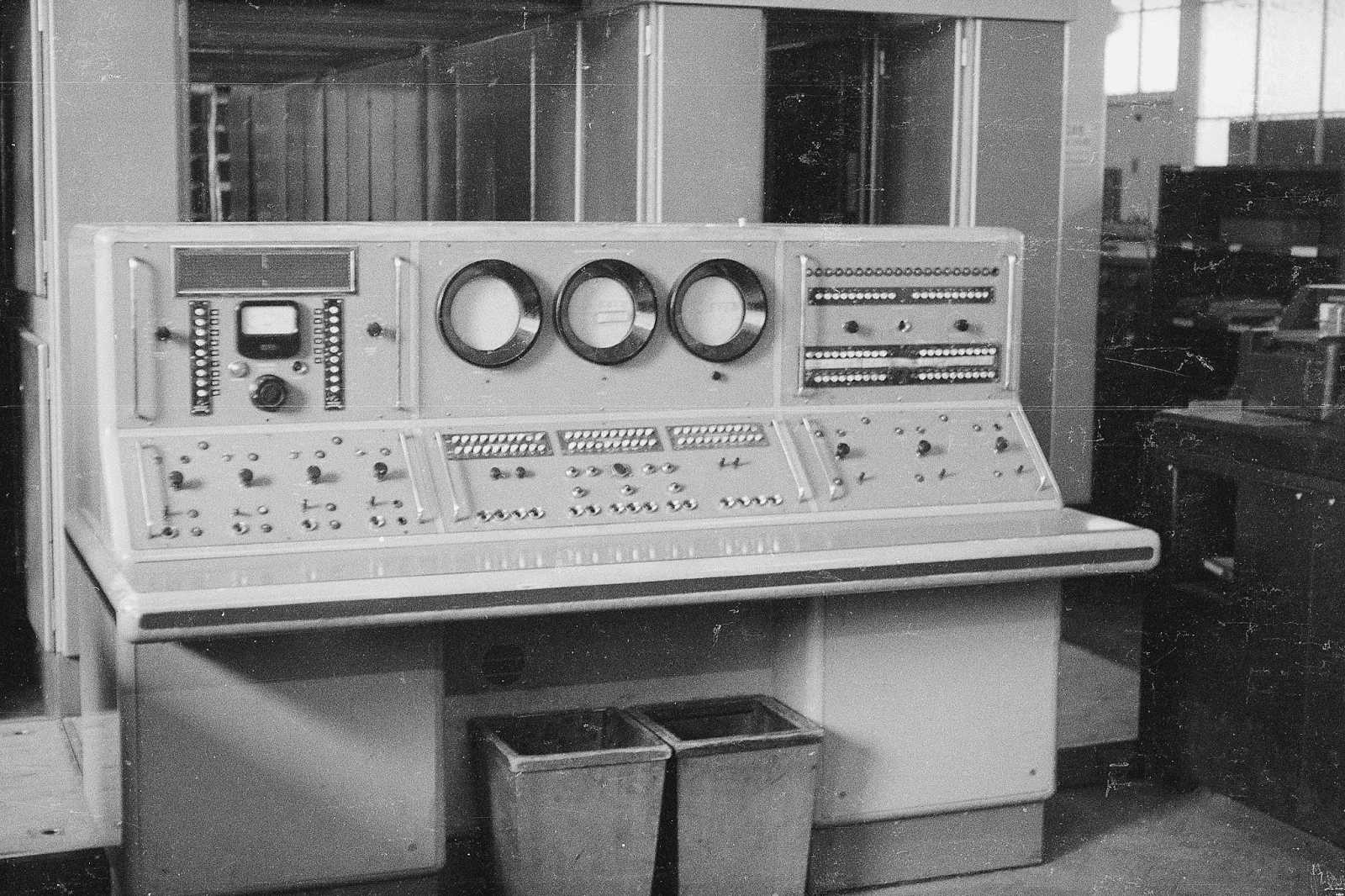
The task of building a computer to meet the company’s needs was divided between two people: John Pinkerton was responsible for the hardware, and David Caminer handled the systems and software. This is how the LEO (Lyons Electronic Office) system was born — the world’s first computer developed for business tasks. By 1951, it was already running test programs. During a visit by Princess Elizabeth to Cadby Hall, the machine was showcased as a symbol of technological breakthroughs.
In December 1953, David Caminer was put in charge of the world’s first full-scale business computing programme. LEO’s triumph inspired Lyons to create a separate company, Leo Computers, to focus exclusively on computer technology. A second, improved model, LEO II, was soon developed. In 1959, Caminer joined the board of directors as head of marketing, while remaining the key figure responsible for implementing systems for clients.
In 1963, Leo Computers merged with English Electric, and a year later, it absorbed the computer division of Marconi, forming English Electric Leo Marconi Computers. The name was later shortened to English Electric Computers, and after another merger with ICT in 1968, the giant International Computers Ltd (ICL) was formed. David Caminer stayed with the company throughout all these transformations. His final major assignment was as project director for developing a computer and communications network for the European Commission.
In 1980, David Caminer left ICL but didn’t abandon the industry. He became a consultant and writer, earning a reputation as one of the leading historians of early business computers. In 1998, he published the book ‘LEO: The Incredible Story of the World’s First Business Computer’, which became a primary source of knowledge about this unique British innovation. David Caminer passed away in London on 19 June 2008.
The Legacy of David Caminer’s Innovations
David Caminer went down in history as one of the pioneers of the computing era. He was not just an engineer, but also a systems analyst who successfully combined technical knowledge with the practical needs of businesses. In 1980, he was awarded the Officer of the Order of the British Empire (OBE) for his contribution to the development of British commercial interests in Luxembourg, and in 2006, he received an honorary doctorate from Middlesex University.