

London is the historical heart of Great Britain, and it was a bustling commercial city nearly 2,000 years ago when it was still part of Ancient Rome. Many of its streets still follow the original Roman roads, and the city’s boundaries partially trace the line of the Roman Wall, which was constructed in the 2nd century AD.
With each passing century, the population increased, leading to the expansion of the metropolis and the construction of new houses. In the 19th century, over 200 years ago, London grew rapidly, which significantly impacted its architecture and building processes. Read more at london-future.
Houses After the Great Fire of London
Before the Great Fire of London, which occurred in September 1666, wooden houses dominated the city. These homes had thatched roofs and floors and were built very close to one another. Most working-class people lived in structures that also housed their businesses, meaning buildings often contained workshops, warehouses, and production areas. Stone and brick buildings certainly existed during this period, but they were fewer in number. This density of construction facilitated the very rapid spread of fire, which instantly swept through the streets and destroyed a significant portion of the city.
The fire destroyed over 13,000 houses, nearly 90 churches, and even St Paul’s Cathedral. Following the disaster, planning began for a new city. Architect Christopher Wren presented King Charles II with a plan for London’s reconstruction. Certain streets were widened and straightened, and one—King Street—was even built across private properties, leading from the Guildhall to the Thames waterfront. Crucially, new building regulations were introduced. Signboards were banned, and houses had to be built only of brick or stone, as timber-framed construction was prohibited after the fire. Iron constructions began to be used, which provided the height for the new buildings and offered the advantage of fire resistance.
Life in the 19th Century
In the 1800s, London was overcrowded and highly unsanitary. Around 1700, approximately 600,000 people lived there, but by 1800, the population was nearly one million. This was the age of urbanisation and metropolitan growth. Wealthy residents lived in lavish suburban houses, which they furnished with soft upholstery. Victorian-era buildings featured diverse forms and ornamentation. As London became the focal point of the Industrial Revolution, many new industrial buildings were constructed, and infrastructure was expanded. This included the development of underground and overground railways, sewerage systems, and coal-fired power stations. New structures emerged, particularly arched and iron bridges. Metal frames were already being used in the construction of factories.
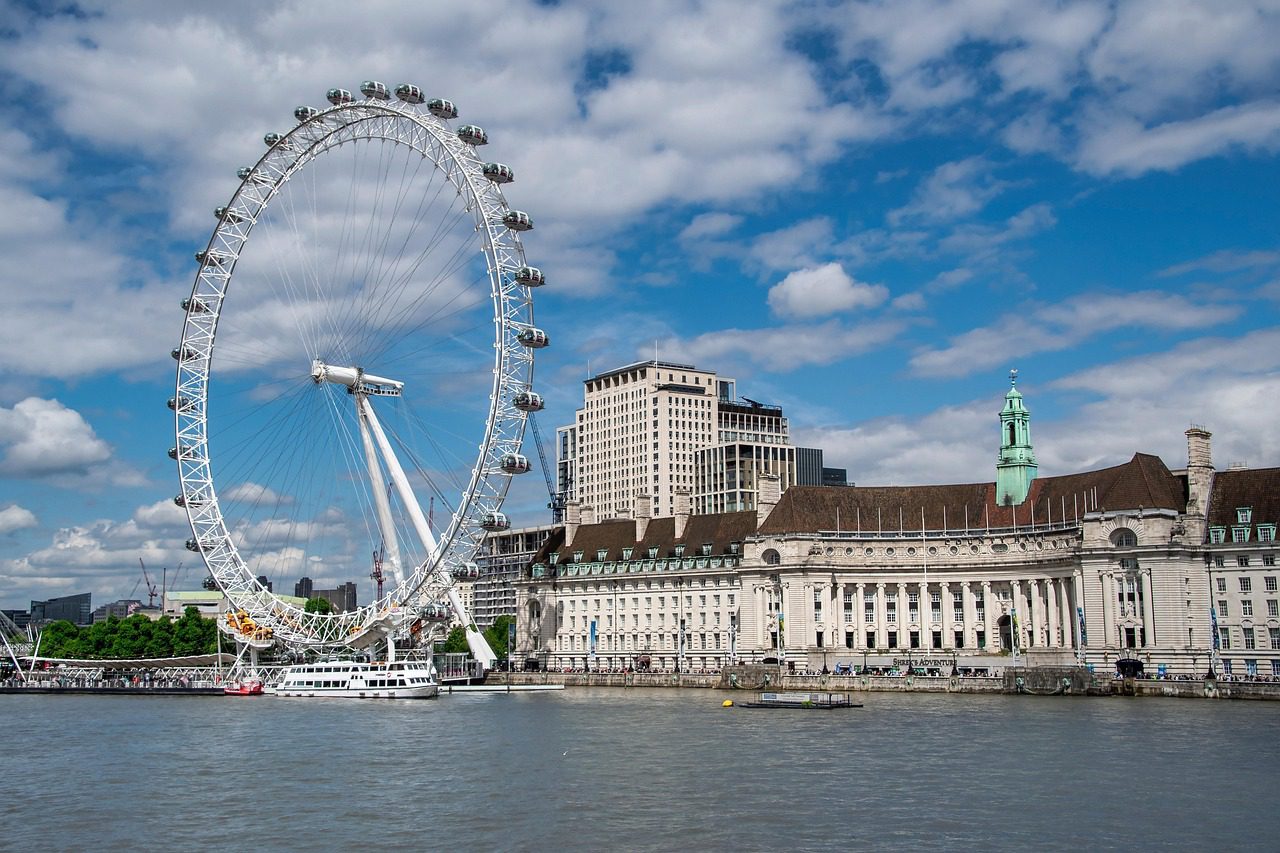
As the city grew, the social classes within the City of London mixed, which was reflected in the styles of domestic and commercial architecture. The lack of housing, overcrowding, and poor sanitation led to outbreaks of cholera. This highlighted the dreadful living conditions in working-class areas. Urban planning problems began to emerge, and in response, efforts were made to expand the sewerage systems, clear slums, and improve living conditions for the working class.
A characteristic feature of London’s residential architecture at the time was the terrace system of development. These were complexes of separate apartments in multi-storey blocks, connected by a single, long facade. From 1812, fashionable residential buildings were constructed using this system on the parkland of Regent’s Park and St James’s Park. This was an important period for the metropolis’s residents, as all citizens gained the chance to live in properly constructed houses. However, in the East End areas of Whitechapel and Spitalfields, slums began to be built as more people flocked to the city in search of work.
The Welfare of London Residents
By the 1850s, the city’s houses were influenced by the Italianate style, characterised by the use of stucco rendering. Later, buildings were influenced by the Gothic Revival style, including projecting verandas, bay windows, and grey slate. Building codes were gradually introduced, which contributed to the standardisation of housing design.
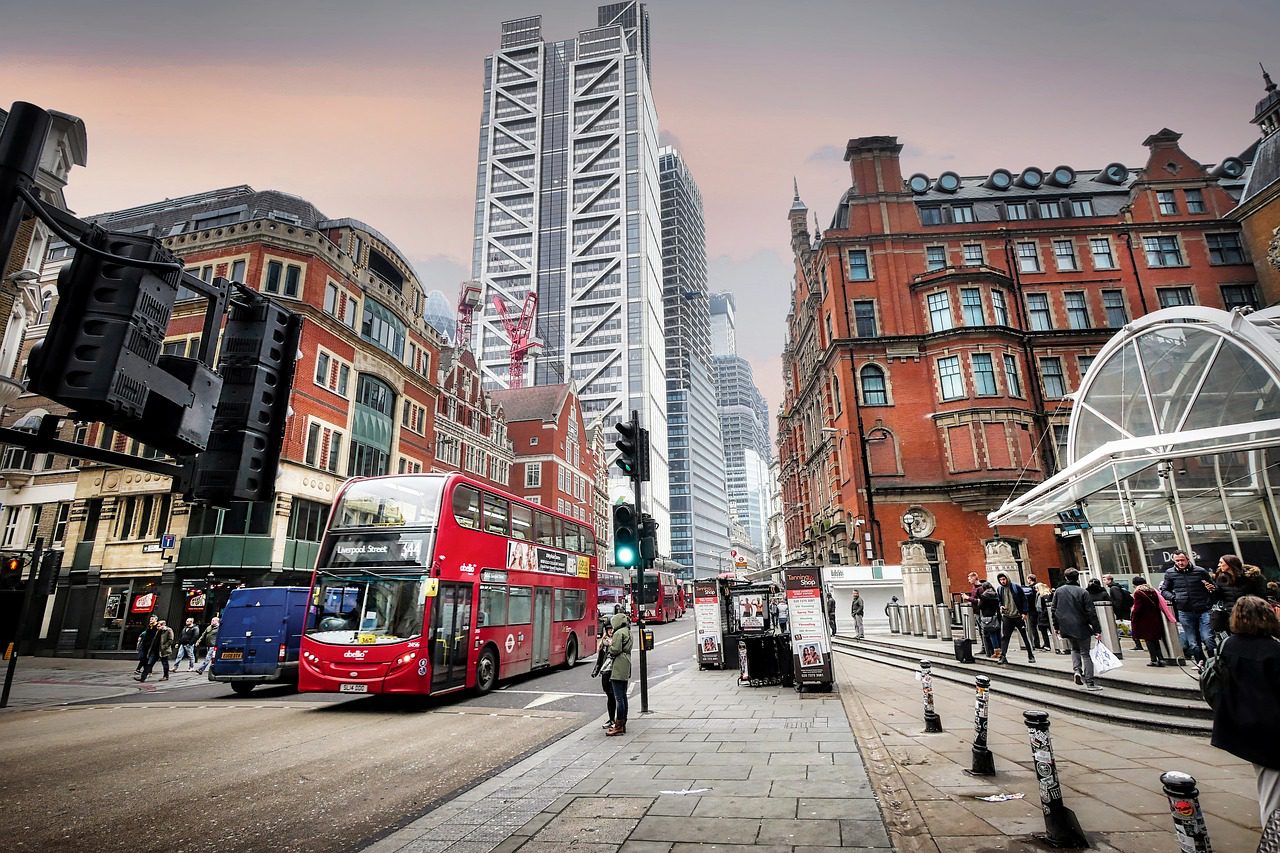
Private companies wishing to build exemplary housing, and philanthropists—notably the Peabody Trust—made great efforts to create housing for the poor. These were typically large brick apartment buildings, five to six storeys high. Some had a severe design, while others were more decorative and built in the fashionable styles of the time, such as Gothic. When building middle-class housing, staff quarters were excluded. Similar developments survive in central London today.
Later, houses in the Edwardian style were built on large plots. Most of these can be seen in areas like Dulwich and the suburb of Hampstead Garden.
Architectural Heritage
Today, many buildings from the past, which constitute London’s historical heritage, can be seen throughout the city. They serve as reminders of the lives of Londoners in the past and ensure that cultural landmarks are not forgotten.
In summary, the houses of London built over 200 years ago combined various architectural styles and materials. From exquisite mansions to workers’ homes, every building carried a history influenced by social change, disasters, and wars that occurred during different periods of the metropolis’s formation. London’s streets preserve the spirit of the past and the architectural heritage of the UK capital.