For nearly six decades, Madge Adam was a pivotal figure in the development of solar astronomy in Britain. Her research on spectral lines, sunspots, and magnetic fields earned wide international recognition and made a vital contribution to heliophysics. Her multifaceted work in science, teaching, and administration helped shape an entirely new field of study. Read more on london-future.
Madge Adam’s Early Life and Astronomical Journey
Madge Adam was born on 6 March 1912 in the north London suburb of Highbury to a family of teachers. During the First World War, her father was killed in action at Ypres in 1918, and the family moved to Yorkshire to live with relatives. At the age of nine, she spent a year in a Liverpool hospital, where she was treated for tuberculosis of the elbow joint and rickets. However, these hardships only strengthened her resolve.
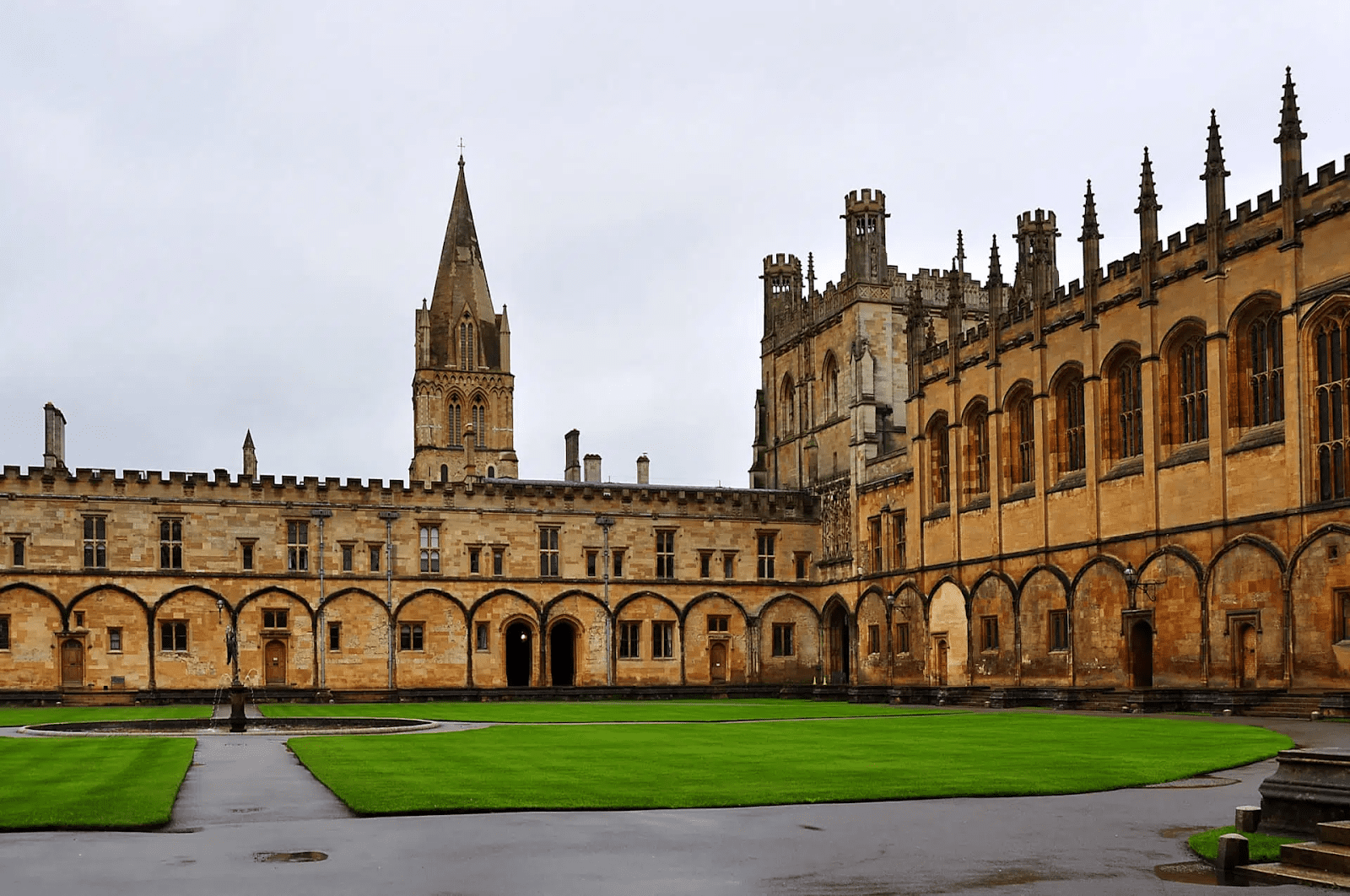
After her recovery, Madge Adam won a scholarship to attend Doncaster High School in South Yorkshire. In 1931, she was admitted to St Hugh’s College, Oxford, to study physics. She went on to achieve an unprecedented feat, becoming the first woman to be awarded a First in Physics at Oxford. She later continued her studies at Lady Margaret Hall, earning a master’s degree and subsequently a doctorate (DPhil).
Madge Adam’s scientific career truly blossomed at the Oxford University Observatory, where the first solar telescope was being installed. In 1935, she was awarded a research fellowship, and by 1937, she had become the scientific assistant to the Observatory’s director, the renowned astronomer Harry Hemley Plaskett. Her collaboration with him allowed her to study the movement of matter in the Sun’s surface layers, analysing spectral lines altered by Doppler shifts.
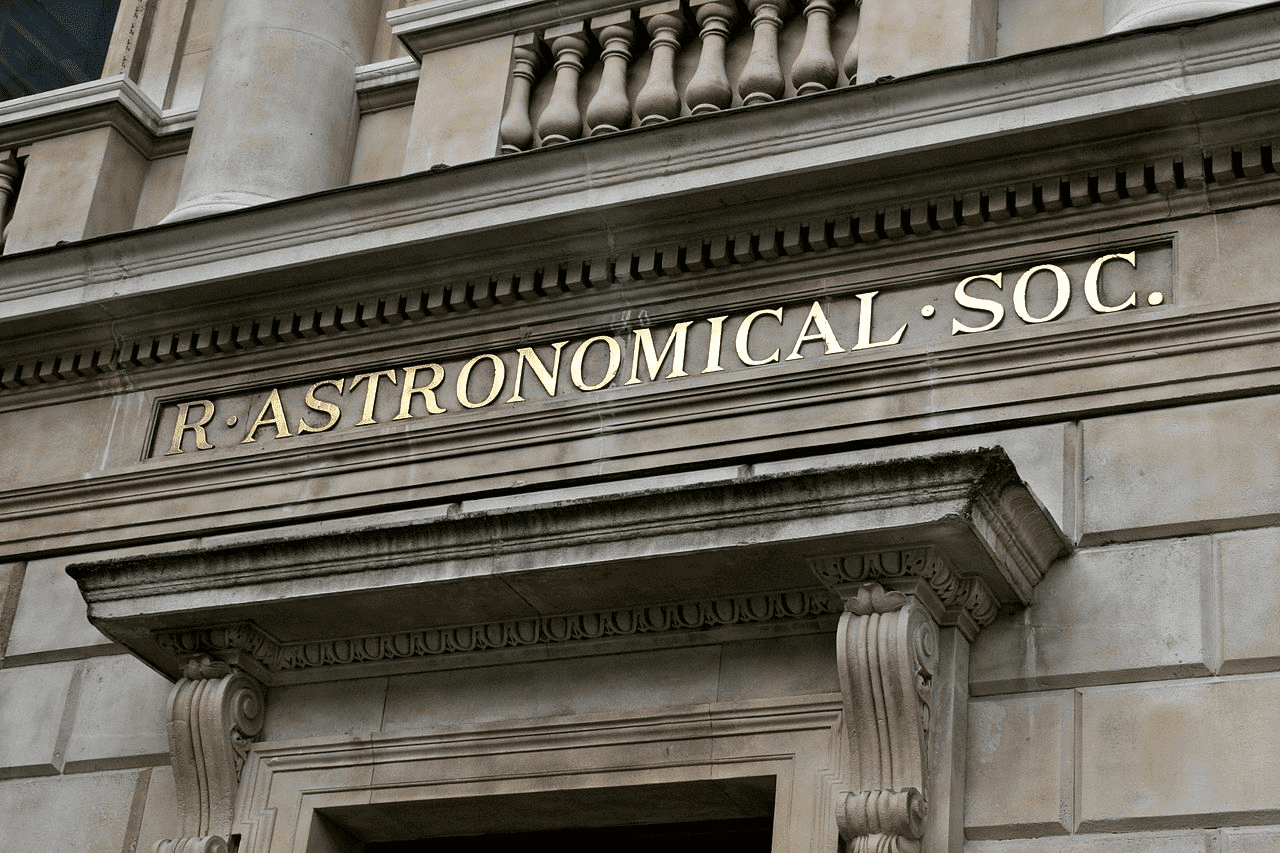
During the Second World War, Madge Adam’s contributions to both astronomical science and national defence only grew. When the director of the Observatory was seconded to the Ministry of Aircraft Production, she took charge of the institution. In 1944, she made history as the first woman to be elected to the Council of the Royal Astronomical Society. She later served as the Society’s vice-president, becoming a symbol of a breakthrough for women in the high academic establishment.
After the war, Madge Adam’s academic work didn’t slow down. In 1947, she was appointed as a university demonstrator, and just two years later, she became the lead physics tutor for all five of Oxford’s women’s colleges. Although she stepped back from active teaching in 1957, she continued her work at the Observatory, focusing on research.
In the mid-1960s, Adam travelled to Australia to work at the Mount Stromlo Observatory. There she began researching magnetic stars, opening new frontiers in her scientific career. Even after retiring, she remained an active participant in scientific life. She dedicated her time to historical research, and in 1996 published a definitive work on the development of astronomy at Oxford between 1920 and 1960. Madge Adam passed away on 25 August 2001. In February 2002, a memorial service was held in the chapel of her old college, bringing together students, colleagues, and scientists who celebrated her intellect, kindness, and dedication to her work.
The Recognition and Significance of Madge Adam’s Work
Madge Adam is remembered as one of the most influential women in 20th-century British astronomy. She was the first postgraduate student in solar physics at the Oxford University Observatory. Her work analysing spectral lines, magnetic fields, and sunspots laid the groundwork for subsequent research in heliophysics. Furthermore, she was the first woman to be elected to the Royal Astronomical Society’s Council. Her involvement in a wide range of projects, from training military astrogators to assisting mathematicians with astrophysical calculations, stands as a testament to her versatility.