

London Heathrow Airport is one of the busiest airports in the world. It is not merely the UK’s principal gateway but a symbol of the immense development of aviation and engineering prowess. Its history began nearly a century ago, when the site of the colossal airport was nothing more than a small airfield.
Today, Heathrow serves hundreds of thousands of passengers. It played a fundamental role in the growth of global air travel after World War I and holds an important place in the country’s history in the early 20th century. Read more at london-future.
Through the Pages of History
It is known that in 1925, pilot Norman Macmillan made an emergency landing on the site of the modern Heathrow Airport. The test pilot and Royal Air Force officer observed that the flat land was ideally suited for runways, and he recommended the location to Richard Fairey.
The airport’s real history began in 1929 when British aircraft manufacturer Richard Fairey purchased a 60-hectare plot in the village of Harmondsworth near London for £15,000. There, he built the private airfield, the Great West Aerodrome, where aircraft were assembled and tested. It featured a single runway and a few buildings.
Heathrow’s major development began in the midst of World War II in 1944, when the British government decided to expand the airfield for military needs, planning long-range flights to the Far East. Residents of the adjacent village of Heath Row were evicted, and buildings were demolished to commence the construction of new military facilities. By the time the runways were ready for use, the war had ended, and the government continued the site’s development as a civilian airport, transferring it to the Ministry of Aviation.
The Operating Years
The first passenger flight, on a converted Lancaster bomber named “Starlight,” departed for Buenos Aires on 1 January 1946, a journey that took over 35 hours. Five months later, the “London Airport” officially opened to passengers. The terminals were old army tents with wooden planks laid on the ground so passengers could walk across the field to their aircraft without dirtying their shoes. In its first year of operation, the airport served 63,000 passengers, a figure that soared to 796,000 by 1951.
In 1955, Queen Elizabeth II opened the first permanent passenger terminal, the “Queen’s Building”. It was designed by architect Frederick Gibberd. The roof featured an observation deck, and inside, passengers had access to a cinema, a post office, a lecture hall, and a restaurant. By 1961, work was completed on the two modern terminals, “Europa” and “Oceanic,” which were later renamed Terminal 2 and Terminal 3.
In 1957, a Lockheed Constellation aircraft landed at Heathrow, having flown from Los Angeles in over 17 hours. This was the first passenger aircraft to complete a non-stop transatlantic flight. In 1966, the airport was officially renamed “Heathrow Airport.” The airport’s popularity grew rapidly along with its size. Terminal 4 opened in 1986, and in 2008, Terminal 5 opened—the airport’s largest terminal, designed by architect Richard Rogers. It should be noted that the first terminal was closed to make way for the expansion of Terminal 2. In 2014, the reconstruction of Terminal 2 was completed, and it became the modern hub for international airlines.
Achievements and Challenges
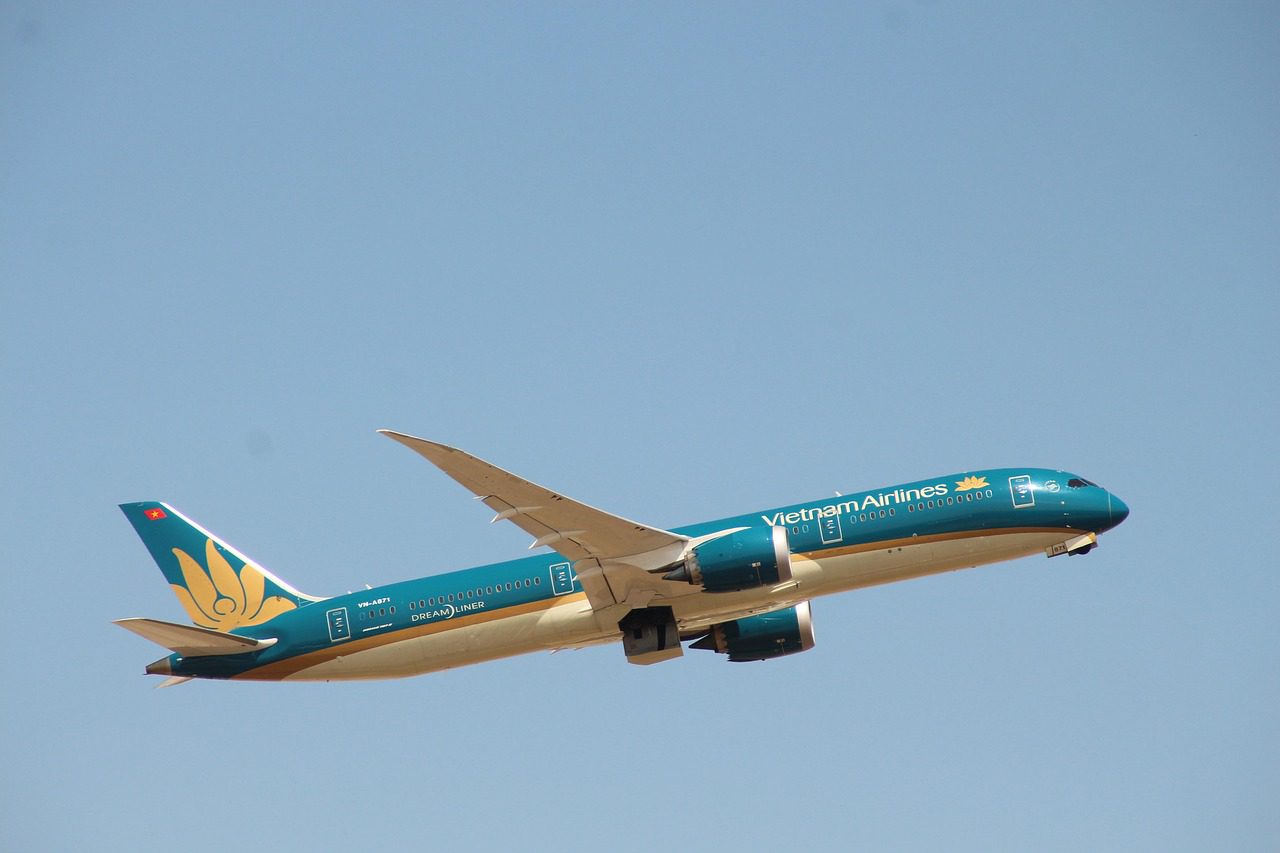
The following decades saw the launch of two of the world’s most famous aircraft models. In 1970, Pan Am began flying the first Boeing 747 on the New York-Heathrow route. Six years later, the legendary Concorde made its first passenger flights, simultaneously departing from Heathrow Airport in London and Orly Airport in Paris. This became a symbol of cooperation between Great Britain and France. In 1998, the private railway The Heathrow Express began non-stop service between London Paddington station and the airport.
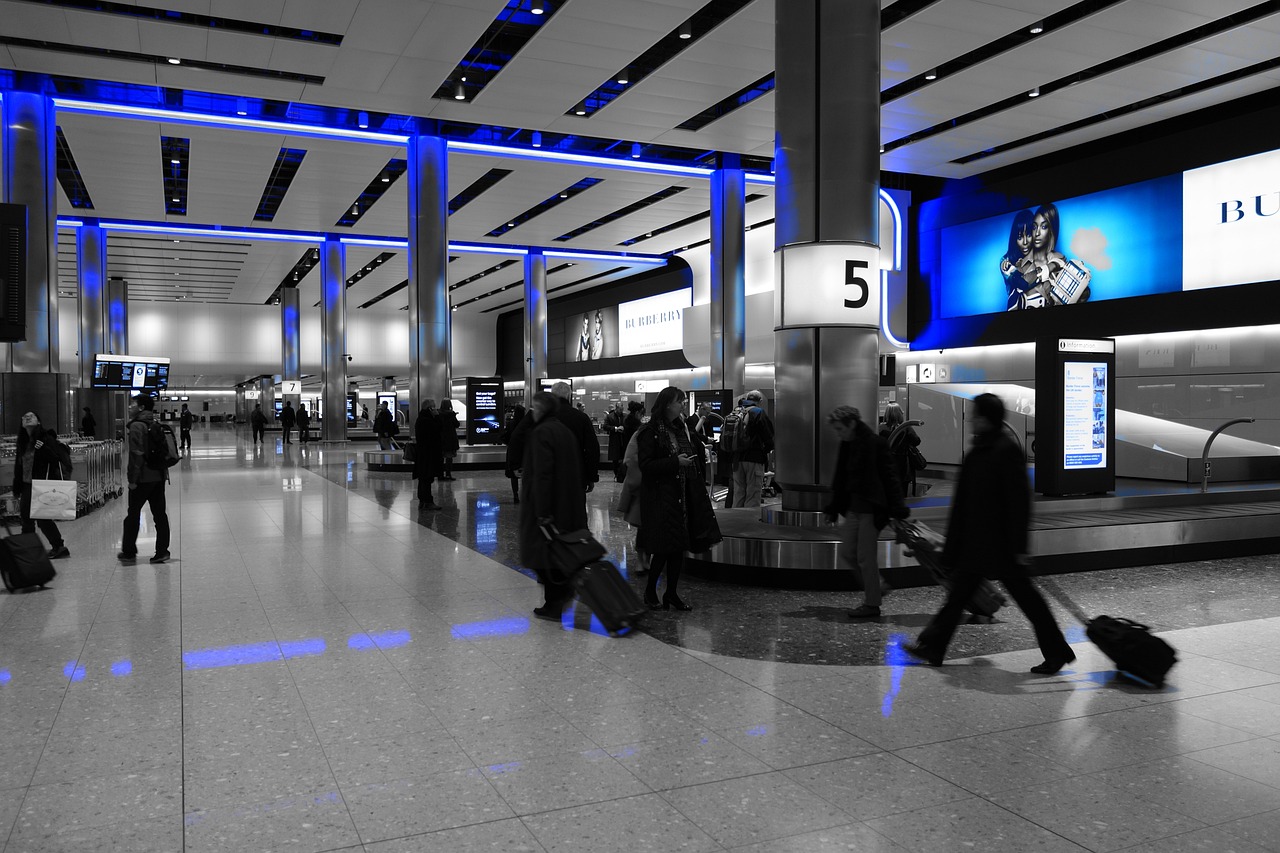
The COVID-19 pandemic posed a unique challenge to the airport. From 6 April 2020, it switched to a single-runway operation due to a significant reduction in flights. It was reported that around 200 homeless people sought refuge at the airport, as other shelters in London closed due to the lockdown.
After resuming full operations, the airport continues to serve as a vital gateway for millions of travellers every year. As of 2024, Heathrow employs approximately 75,000 people, making it the largest single-site employer in the UK. As passenger traffic has grown, the airport’s continued operation and development rely on an expansion plan. Its future projects include the construction of a new terminal and the gradual dismantling of Terminal 3 to create new satellite terminals. There are also plans to create new transport hubs to improve passenger service.
In summary, the history of Heathrow Airport reflects its long journey of development, from a small airfield to one of the world’s most important aviation hubs. It is a true reflection of the growth of British aviation and its adaptation to major modern challenges and passenger needs.
Використані джерела: