

London has always been a city of opportunity. Throughout history, the world’s most talented individuals have found inspiration and the potential for success here. The British capital has attracted poets, stage actors, artists, musicians, and photographers. The latter, in particular, played a major role in the development of photography in the city. The history of this art form is quite fascinating. So, where did it all begin? What names are hidden in this field? How did London change through the lens, and who photographed the world’s most famous people? Read more at london-future.
The Path to Capturing Moments on Paper
Photography is often associated with inspiration and creativity. In reality, however, the field’s development began not with art, but with science. The creation of a photograph was based on two fundamental principles. The first was the projection of an image using a camera obscura. The second was humanity’s understanding that certain substances could be altered by exposure to light. The earliest experiments in photography were conducted by scientists with a theoretical background in chemistry and physics. Therefore, what modern people might call a creative process was initially just a scientific experiment.
Some of the first steps in the development of photography in Great Britain were taken by the inventor Thomas Wedgwood and the chemist Humphry Davy. These events took place at the beginning of the 19th century (around 1800). Although they made the first documented attempts to capture an image with a camera, their pictures could not be called successful. The French later took up the challenge, which is why more significant results were first presented in Paris. Photography became widespread in London in the second half of the 19th century. The city boasts scientists who made major contributions to improving the methods and materials for creating images. It was also at this time that people began to talk about the *art* of photography: choosing the right lighting, capturing a moment of motion, or finding the perfect angle.
In the late 19th century, photographer John Thomson brought a new perspective to the British capital. His photo series “Street Life in London 1878” provides a glimpse into the city as a whole, including the lives of the poor and the working class. His ethnographic methods and the fact he had travelled extensively allowed him to see the city from the viewpoint of an observer, rather than as an integral part of it.
The City’s Evolution in Photos and Famous Names
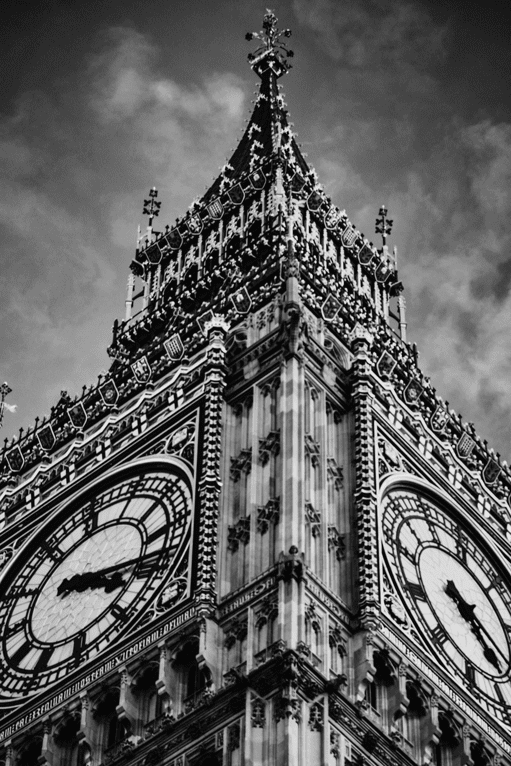
Significant changes and major technical and creative breakthroughs in this field occurred in London and across Great Britain around 1910. For the first time, the city was depicted in all its diversity. Artists sought to find its unique sides, which had never been seen before. Depicting the everyday lives of city dwellers or residents of other regional settlements also grew in popularity. These images looked realistic and authentic, and they would later become unique records that helped reconstruct historical events.
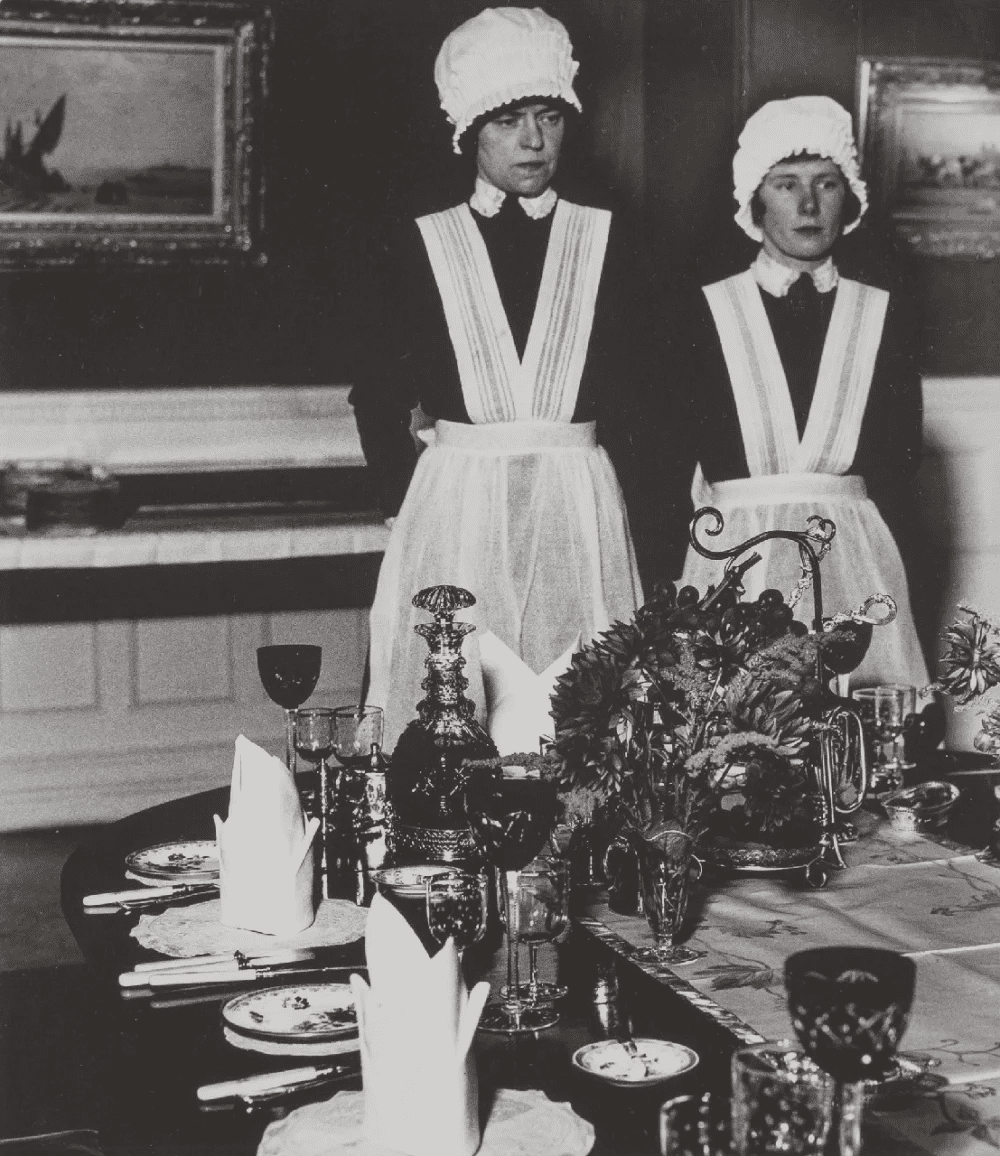
The arrival of portable cameras in the 1930s was incredibly important. Their small size allowed photographers to take pictures on the move and carry them with ease. This also spurred the development of photojournalism. Following these changes, works began to appear that captured the unique aspects of London life, preserving all its vibrancy and emotion. For instance, photographer Bill Brandt depicted Londoners in a highly original way in his 1935 book “The English at Home”. The portrait genre had also been developing since the early 20th century, with photographs of famous personalities gaining prominence. For example, one of the most famous photographers to capture the Royal Family was Cecil Beaton. Queen Elizabeth II was his favourite model. Overall, the development of photography in London is marked by many talented people and their incredible work.