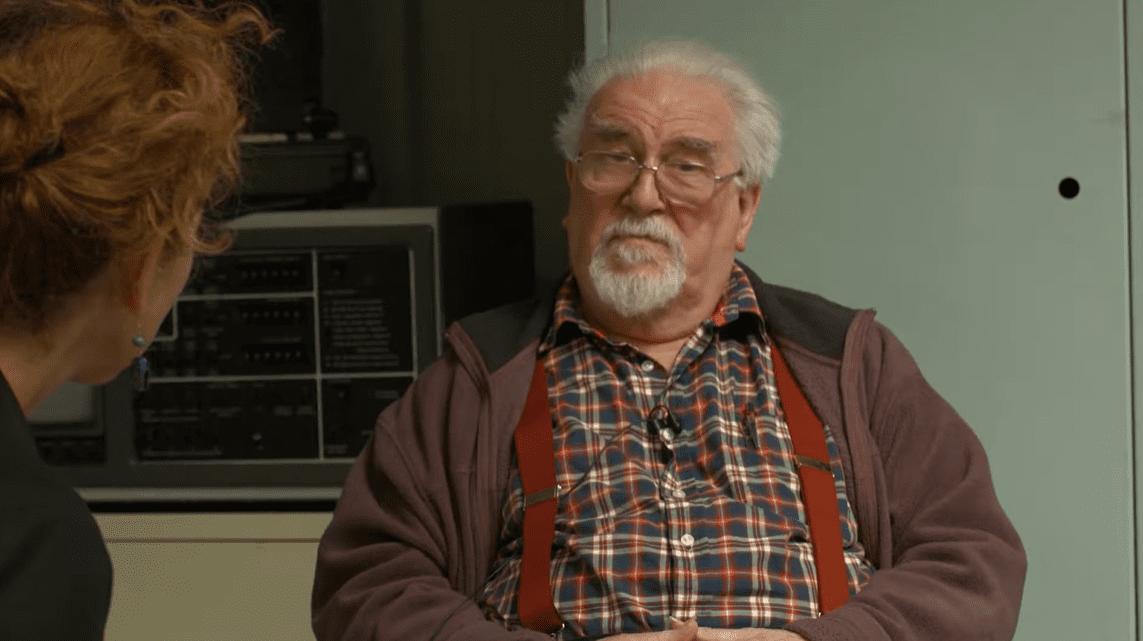
Rodney Dale was a multifaceted figure who left a significant mark on the development of British science, technology, and literature. His career spanned several fields at once – from engineering and entrepreneurship to writing, publishing, and cultural research. Read more on london-future.
Early Years and Research Journey of Rodney Dale
Rodney Dale was born on November 28, 1933, in Muswell Hill, London. Following the outbreak of the Second World War, his family was forced to leave the capital and relocate to Cambridge, where he continued his education. From 1940 to 1952, he attended the prestigious Perse School. Thanks to his academic achievements, he received a scholarship to Cambridge University in 1950. In 1955, he enrolled at Queens’ College, Cambridge, where he studied Natural Sciences.
While pursuing his higher education, Rodney Dale met Tim Eiloart and David Southward. Together, they founded the innovative research and development organisation Cambridge Consultants Ltd. In 1963, Dale joined the company full-time, where he subsequently led several design projects. He later became Personnel and Training Manager, playing a crucial role in shaping the company’s human resources policy.
Beyond his professional activities, Rodney Dale was actively involved in public life. He served on the board of directors for the non-profit organisations Centre for Computing History and the Cambridgeshire Farmland Museum. From 1977 to 1984, he acted as a magistrate in Cambridge City Court. He was also a member of parish councils in Bar Hill and Haddenham, demonstrating a consistent interest in the development of local communities.
In parallel with his work at Cambridge Consultants, Rodney Dale developed his writing career, authoring a series of articles on new technologies for the authoritative journal The Engineer. He also delved into the arts, penning the first biography of the artist-illustrator Louis Wain. Its success led to an exhibition of Wain’s works, which Dale helped organise at the Victoria and Albert Museum in London in December 1972.
After leaving Cambridge Consultants, Rodney Dale decided to focus entirely on writing. This passion led to the publication in 1978 of “The Tumour in the Whale: A Collection of Modern Myths”—the first popular collection and commentary on contemporary or urban legends. The renowned American folklorist Jan Brunvand noted this collection as one of the first serious attempts to analyse the phenomenon of folk tales.
Continuing his work in publishing, Rodney Dale launched several of his own projects. In the mid-1980s, he co-founded Business Literature Services Ltd., a company specialising in business publications. Moving in this direction, in 1990, he established another publishing house called Fern House Publishing, which gave him complete control over the publication process of his own works and those of other authors. In collaboration with the British Library, he later created a book series titled Discoveries & Inventions, where he served as editor and author of eight volumes between 1992 and 1994. Rodney Dale passed away on March 29, 2020, in Cottenham, Cambridgeshire.
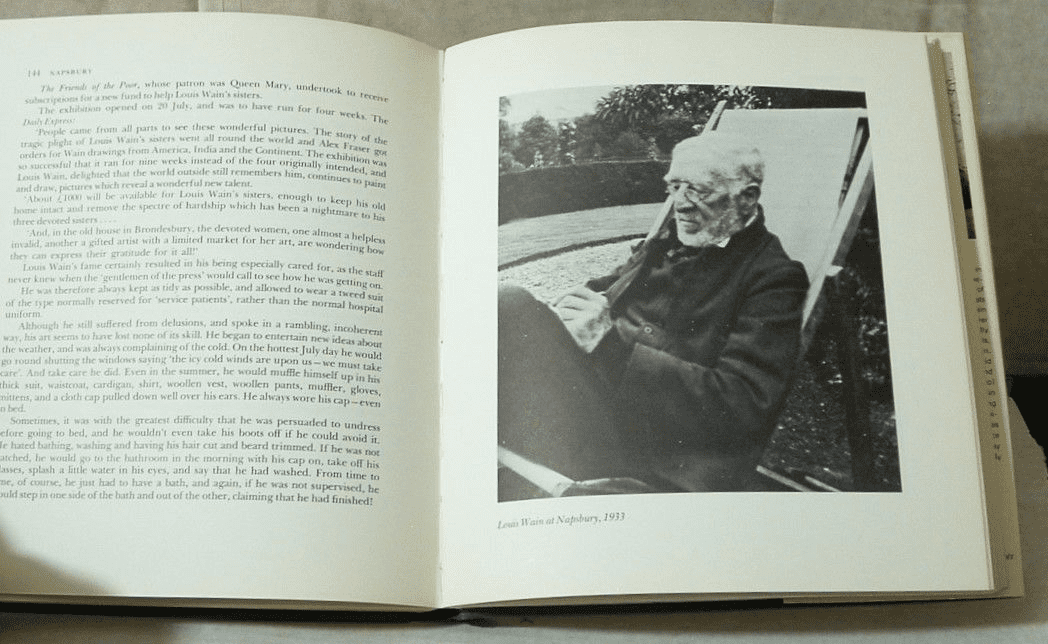
«Louis Wain: The Man Who Drew Cats»
Recognition and Significance of Rodney Dale’s Academic Activities
Rodney Dale earned recognition as one of the most distinguished popularisers of science in 20th-century Britain. He held significant sway in the development of state engineering as a co-founder of Cambridge Consultants Ltd. – a company that pioneered scientific research and technical innovation. His work encompassed design, management of engineering projects, and staff training. As an author and co-author of over 60 works, he also made a substantial contribution to popularising the history of science and technology. His works “Machines in the Home,” “The Industrial Revolution,” “Timekeeping,” “Early Cars,” and “Early Railways” became important sources for understanding humanity’s technological development.