

Henry Wellcome was a man driven by a singular vision: to use his vast fortune and unparalleled collection of medical artefacts to transform public health through rigorous research. Through the establishment of Burroughs Wellcome & Co, the Wellcome Trust, and the Wellcome Research Laboratories, he left a revolutionary mark on the pharmaceutical and medical industries. Read more at london-future.
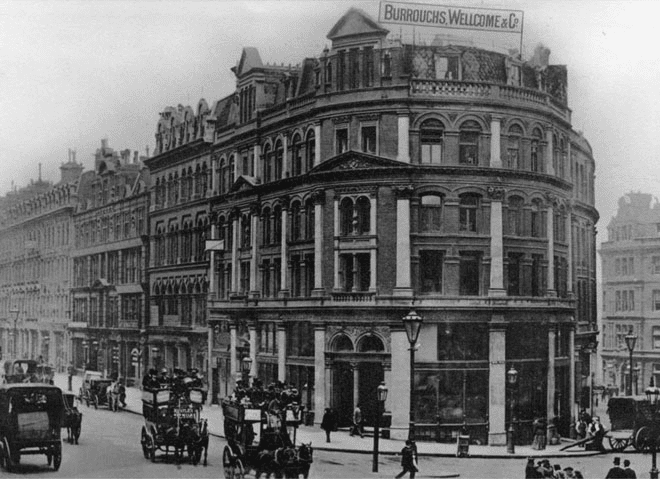
Burroughs Wellcome Fund
The Founding and Evolution of the Wellcome Institutions
In 1880, entrepreneurs Henry Wellcome and Silas Burroughs founded the pharmaceutical firm Burroughs Wellcome & Co in London. Having already achieved success in America, they sought to introduce a new type of compressed medicine to the European market. Their venture flourished; thanks to streamlined mass production and innovative marketing, the company’s products soon reached every corner of the British Empire.
By 1894, Henry Wellcome had established a dedicated laboratory in the capital to research treatments for diphtheria. Working with his colleagues, he arranged for the first batch of diphtheria antitoxin to be delivered to the city. The supply was exhausted within hours, prompting Burroughs Wellcome & Co to commit to permanent, large-scale production.
In 1898, the laboratory moved to Brockwell Hall in Herne Hill. Seeking even greater scope for research, Wellcome purchased a site in Beckenham for £32,000, transforming Langley Court into a major research hub in 1919. Following his death in 1936, the Wellcome Trust was established in accordance with his will to act as a charitable foundation.
The Trust began investing the late tycoon’s wealth into the future of medicine, donating over a million pounds to research in its early decades. Although the business faced financial hurdles after the Second World War, it continued to thrive. In 1986, under the leadership of Finance Director Ian McGregor, 25% of the company’s shares were sold to the public. Eventually, the Wellcome Trust shifted its focus away from direct pharmaceutical ownership, selling its remaining interest to Glaxo plc in 1995.
Meanwhile, the Wellcome Chemical and Physiological Research Laboratories had consolidated at the Beckenham site in 1946, forming the unified Wellcome Research Laboratories. In 1986, the eminent pharmacologist Professor Salvador Moncada took the helm. Under his guidance, the centre developed the world’s first antiretroviral drug just one year later. While the lab ceased its own research in 1995, its legacy of scientific innovation lives on through the global biomedical charity.
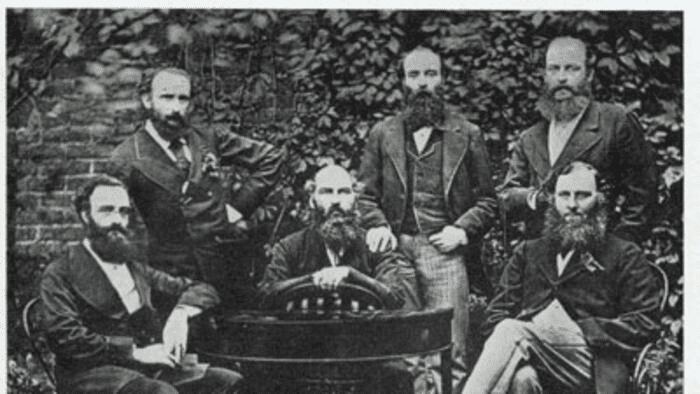
Chemist + Druggist
Wellcome Trust
Recognition and Global Impact
The legacy of Henry Wellcome continues to shape global medicine. Burroughs, Wellcome & Co pioneered the introduction of American pharmaceutical standards and manufacturing techniques to the British market. The Wellcome Trust has been instrumental in the development of the first leukaemia treatments, breakthrough HIV drugs, and immunosuppressants for organ transplants. Key figures such as Adrien Albert, June Almeida, James Black, Victor Darley-Usmar, Trevor Mervyn Jones, Alan Robert Saltiel, and Hermione Ann Simmonds played vital roles in the laboratories’ success. Their extraordinary contributions have been recognised with Nobel Prizes and Royal Charters.
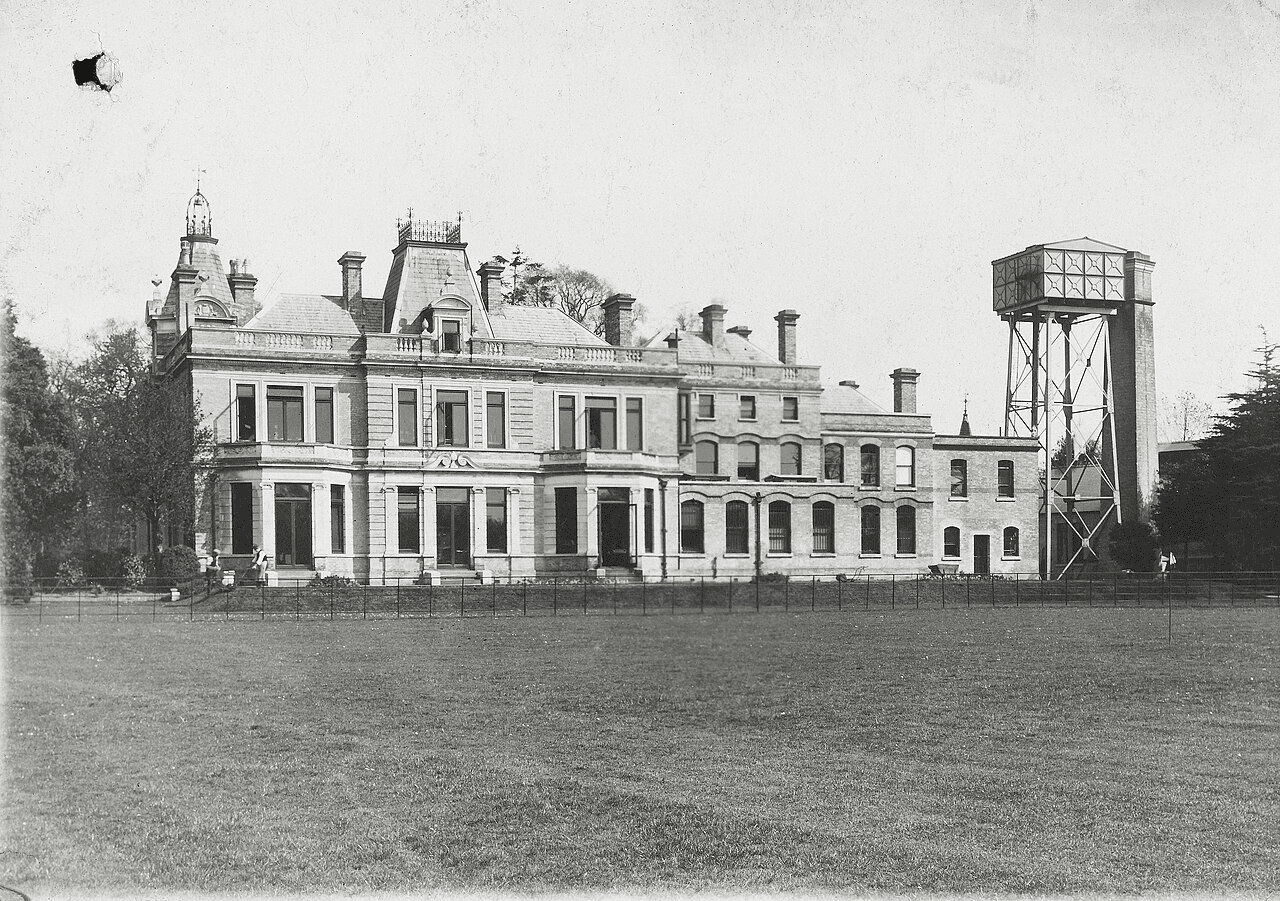
Wikipedia
Wellcome Physiological Research Laboratories