
London’s construction industry is undergoing a major transformation as the city pursues an ambitious net-zero carbon goal by 2030. Integrating green design principles into building construction and operation has become a top priority across the capital.
Modern eco-skyscrapers are essential to shaping London’s evolving urban landscape. These high-rises are no longer just glass office blocks; they actively work to minimize their environmental footprint. To learn more about how London’s green architecture and eco-skyscrapers are transforming the city’s skyline, visit london-future.
Why Sustainable Architecture Matters
Sustainable architecture has become an integral part of modern London, driven by a range of essential benefits. Eco-friendly skyscraper design cuts energy consumption, reduces environmental impact, and enhances the well-being of occupants. The single biggest advantage remains reducing greenhouse gas emissions—by combining sustainable materials with energy-efficient systems, developers can dramatically shrink a building’s carbon footprint. Resource conservation is another core focus, with new projects prioritizing recycled materials, water- and energy-saving technology, and smart waste management.
Beyond its environmental impact, sustainable architecture directly improves quality of life for Londoners. Abundant natural light, superior ventilation, and lush green spaces create far healthier, more comfortable environments for both office workers and residents.
What Makes London’s Skyscrapers “Green”?
Constructing new skyscrapers goes far beyond simply adding rooftop solar panels. Today’s leading sustainable solutions include:
- Expansive green terraces and multi-level gardens.
- Double-skin facades (like 8 Bishopsgate) that dramatically cut air-conditioning needs.
- Fossil-fuel-free electricity.
- Geothermal heat pumps.
- Rainwater harvesting systems.
London’s Iconic Eco-Skyscrapers
Several high-rises across the capital have set new benchmarks for sustainable design, redefining high-rise development. The most striking developments stand in the City of London, Canary Wharf, and around Liverpool Street.
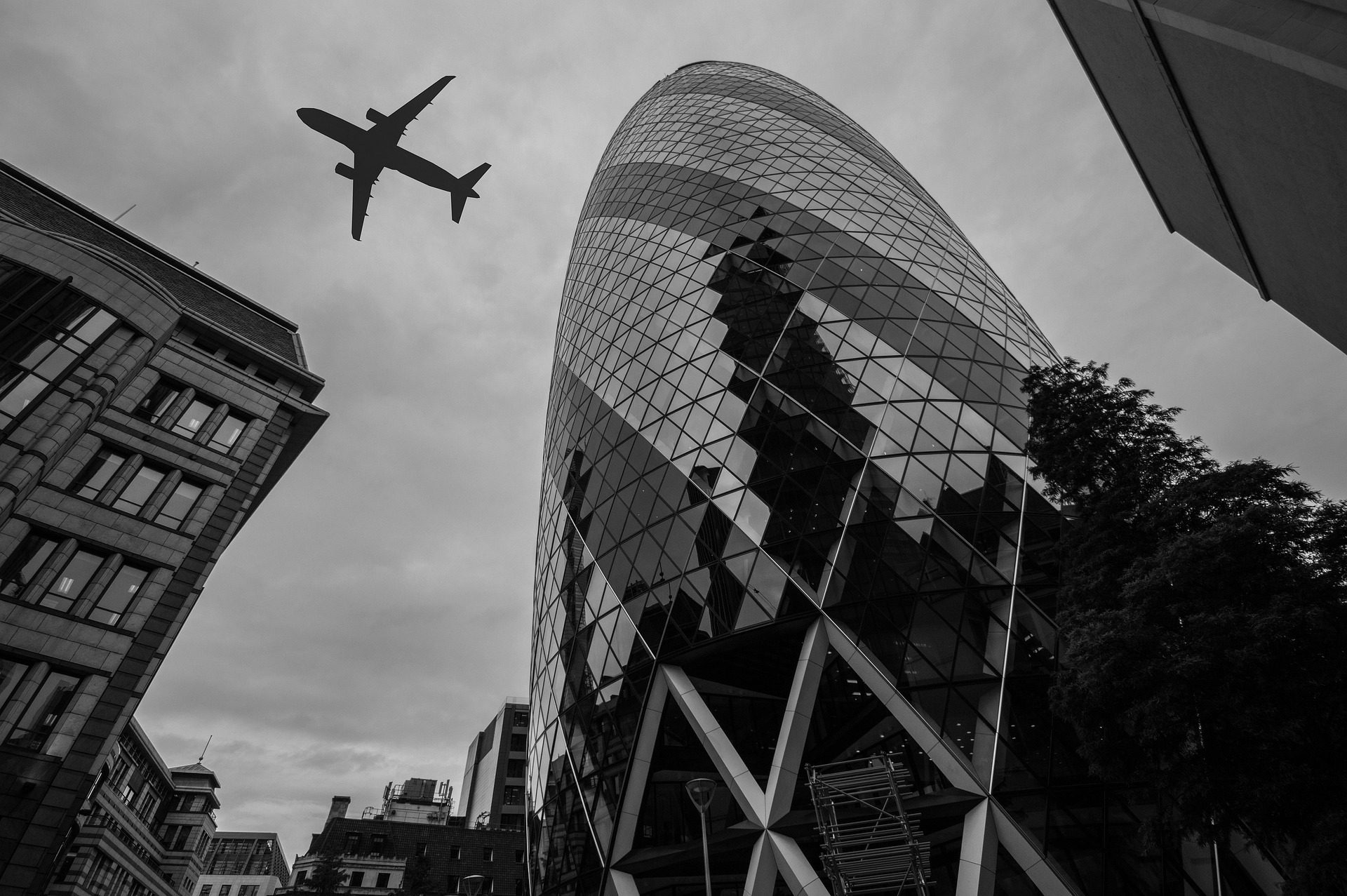
Here are some of London’s most prominent eco-friendly skyscrapers:
- The Gherkin. One of London’s pioneering energy-efficient towers, instantly recognizable by its distinct conical shape. Its design features a double-skin facade and a passive natural ventilation system.
- 22 Bishopsgate. Standing as the tallest tower in the City of London, this landmark operates entirely on renewable electricity. It features parking for 3,000 bicycles and holds both a top-tier BREEAM Outstanding rating and a WELL Building Standard certification for prioritizing occupant health.
- The Cheesegrater (122 Leadenhall Street). Famous for its wedge-shaped silhouette, this highly energy-efficient tower boasts a BREEAM Excellent rating. Key features include rainwater harvesting and natural ventilation systems.
- 100 Liverpool Street. Located right next to Liverpool Street station, this skyscraper was designed for low operational carbon emissions. It integrates rainwater harvesting, solar panels, natural light-optimized LED systems, extensive cycle storage, and green roofs.
- The Walkie Talkie. Officially known as 20 Fenchurch Street, this prominent high-rise is famous for its rooftop solar integration and the iconic Sky Garden—a three-story indoor conservatory offering sweeping panoramic views of London.
London’s Next Generation of Eco-Projects
As London continues to grow, ambitious new eco-developments are taking shape. British architectural firm Foster + Partners has secured planning approval for a major mixed-use development at 18 Blackfriars Road. Set to be one of the city’s greenest next-gen projects, it will be fully electric, powered by heat pumps, and feature lush garden terraces every three floors.
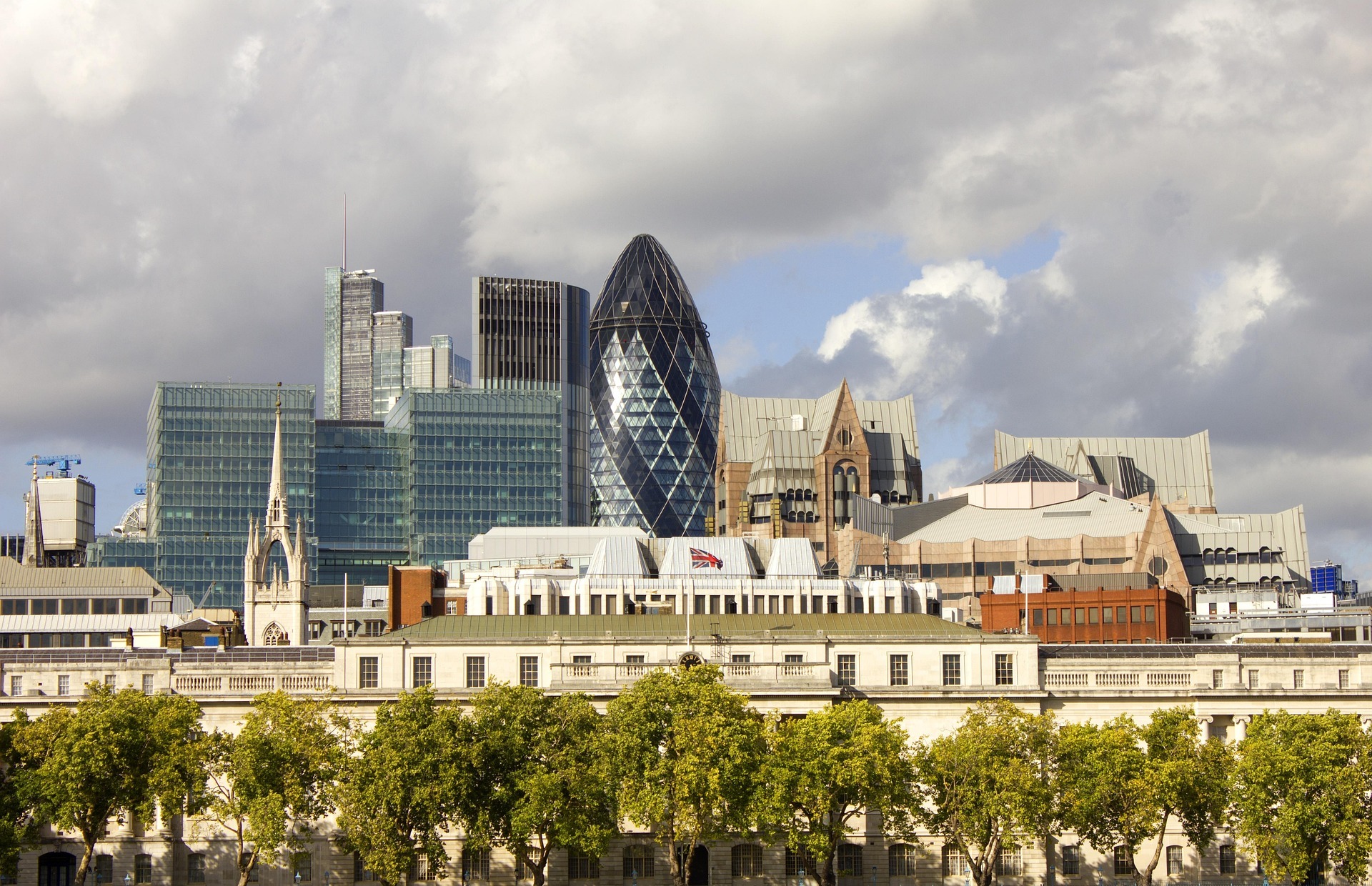
Another standout project is 70 Gracechurch Street near Leadenhall Market. Rather than building entirely from scratch, the design blends cutting-edge architecture with the adaptive reuse of existing structural elements and materials.
To drive further sustainable progress, London architects are focusing heavily on waste reduction and smarter infrastructure. Driven by surging demand for eco-conscious commercial spaces, the push for greener high-rises is accelerating—making high-efficiency, retrofitted buildings critical to achieving net-zero targets.
Key Benefits of Green Skyscrapers for London
| Benefit | Impact / Outcome |
| Lower CO2 emissions | Direct support for climate goals |
| Reduced energy usage | Long-term cost savings for Londoners |
| Expanded green spaces | Cleaner urban air quality |
| Enhanced comfort | Greater well-being for occupants |
| High investor appeal | Strong demand for modern office hubs |
Ultimately, London is demonstrating that skyscrapers no longer have to be cold, impersonal monoliths of glass and steel. Instead, they can be comfortable, eco-conscious, energy-resilient, and truly friendly to the environment.

