

Local residents and tourists can notice many drinking fountains on the streets of London. They appeared not so long ago and until the middle of the 19th century, the townspeople quenched their thirst with beer instead of water. After all, there wasn’t enough water and even the available quantity could be infected. Learn more at london-future.
At that time, the city faced the problem of water pollution, which spread infections, for example, cholera. Such problems led the authorities to think about how to provide Londoners with clean water.
On the pages of history
The first drinking fountain in London was placed at the end of the Holborn Viaduct. Back then, more than 500 fountains were installed throughout the city. They gave people free drinking water and decorated public places. The first fountain was built by the Metropolitan Drinking Fountain and Cattle Trough Association. The name of the organization proves that the city experienced problems with water supply.
The reason for the pollution was the rapid population growth in the 18th and 19th centuries, coupled with the lack of regulation of the water supply companies. It led to outbreaks of cholera. In 1852, the city passed the Metropolis Water Act, which was intended to improve the quality of the city’s water. The law prohibited water supply companies from obtaining drinking water from the River Thames, which was the destination point of city sewage. It also established mandatory filtration and the construction of a new sewerage.
The Metropolitan Drinking Fountain and Cattle Trough Association was created around that time. Its founders, Samuel Gurney and Edward Wakefield, established the society in 1859. It was the only institution that would provide free water for people and animals in the city.
The first fountain was officially opened in 1859 and was used by about 7,000 people a day. The only interruption to the fountain’s operation in its entire history was the construction of the Holborn Viaduct. Due to the great popularity of the fountain, the society built 85 more similar ones over the next six years. Many of them have been preserved till today.
Architectural solutions
Features of the Victorian period were reflected in the architecture of London’s fountains, as they had complex Gothic designs, carved elements and sculptures. One of these is the fountain donated by the philanthropist Angela Burdett-Coutts. She paid for the construction of several fountains in London, one of which was placed in Victoria Park. It is decorated with marble and resembles a small chapel. Such interesting solutions were invented to beautify the metropolis and, of course, to provide people with water.
Another interesting project is the Griffin Fountain at Victoria Embankment. It is a real architectural decoration of the metropolis. One more worth-of-attention object is the Barlow Fountain. It is located next to St Paul’s Cathedral and is decorated with sculptural images that symbolise humanity and the power of nature.
Quenching thirst
The construction of fountains was financed from various sources, including benefactors, authorities and donations. The designs of the fountains differed, but a common feature was that they were named after the person who provided the main part of the financing. Thus, the construction of fountains became a good way for benefactors to raise their social status and show religious piety. Numerous religious inscriptions and symbols on the fountains demonstrated that the participants of the initiative were engaged in moral education and preaching. The association also cared about animals, arranging drinking bowls for dogs, horses and cattle.
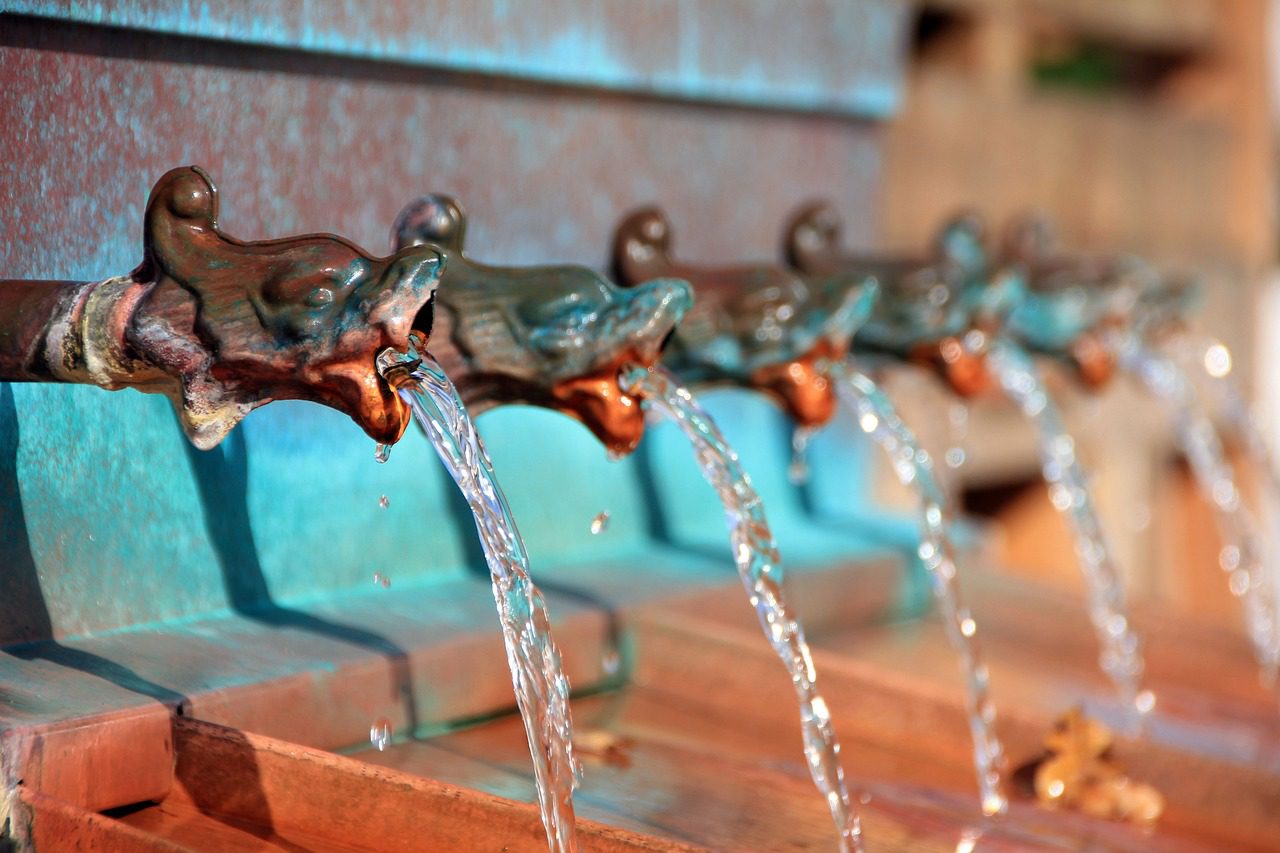
In the 19th century, London still lagged behind other British cities in the number of drinking fountains, even though they were very popular. For example, on July 4-5, 1865, the association counted 5,603 people drinking from the fountain at the Royal Exchange. There were more than 500 people per hour during the day and the flow didn’t decrease until nightfall. The fountains also gave Londoners a chance to do their favourite pastime — standing in queues.
New ideas
The association started to experience difficulties when it lost funding. The construction of new fountains slowed down and the existing ones deteriorated. However, when private water supply companies came under state control at the beginning of the 20th century, London’s water crisis began to ease.
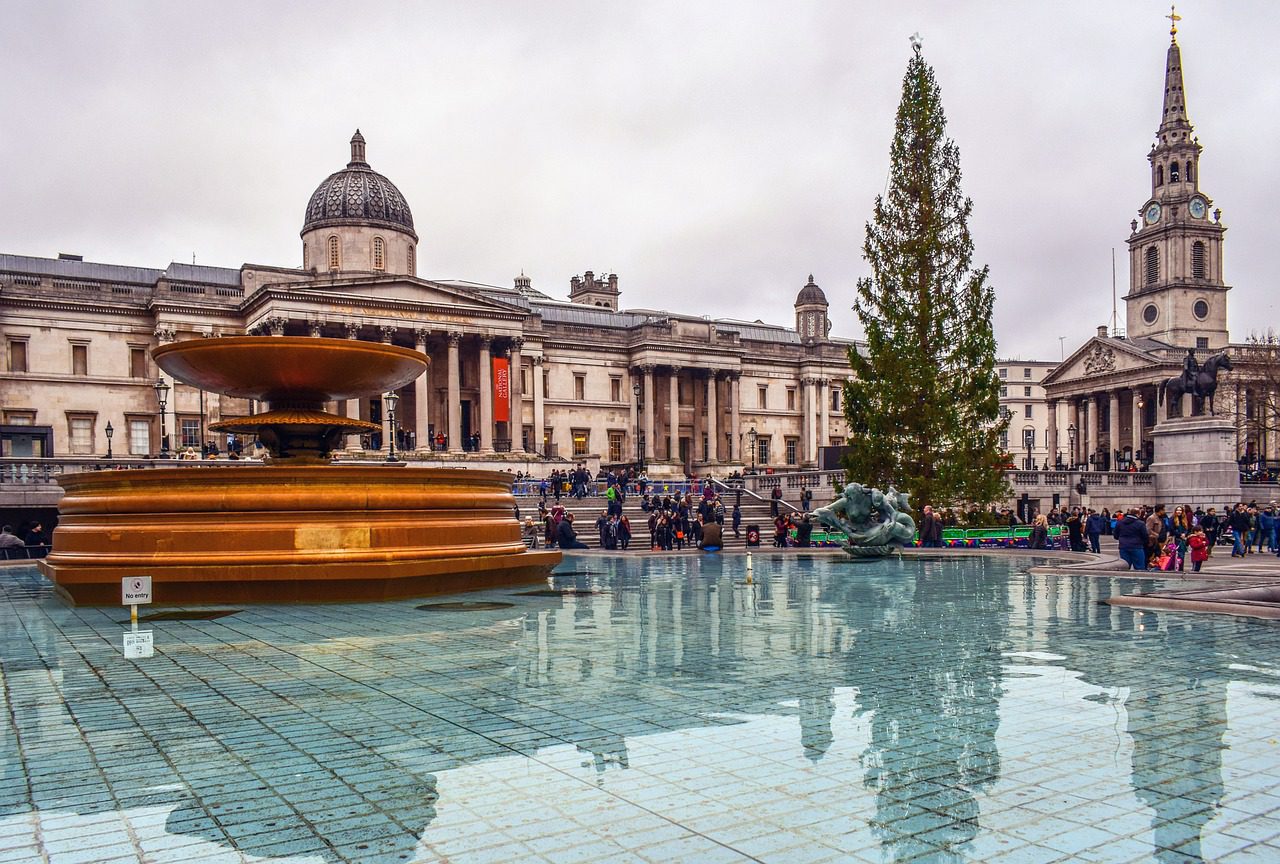
Many fountains were destroyed during the Second World War. They have recently been given a new lease of life, as the environmental movement has once again raised the topic of nature preservation. Fountains decorate London even today, although some of them have undergone restoration. In addition to the old ones, the city acquired new drinking fountains that were designed to reduce the use of plastic bottles. They have become an element of Londoners’ lives, giving people the opportunity to stop and have a break. The London authorities and charitable organisations are engaged in restoring and modernising fountains to fit them into the modern space. For example, the fountains in Hyde Park and Trafalgar Square have been restored to match the style of the surrounding buildings.
The London drinking fountains are unique works of art that decorate the city and remind us of the times when water was scarce. They also call for the preservation of natural resources for future generations.