

Fleet Street, one of London’s most iconic streets, boasts a rich and varied history. For centuries, it played a pivotal role in the capital’s development and became synonymous with British journalism. Its close ties to the print industry made it a vital artery of the city. It was a place where renowned lawyers and publishers worked, and the atmosphere buzzed with debate and intellectual discourse.
The street itself has witnessed dramatic transformations, from the quiet work of monastic scriptoria to the bustling editorial offices of the 19th and 20th centuries. These reinventions have given the street its incredibly compelling history. Read more at london-future.
Origins and Development
Fleet Street stretches from the Strand to Ludgate Circus, connecting the historic centres of the City of London and Westminster. The street was established as an arterial route in Roman London. During excavations at the site of the former Fleet Prison, remnants of a Roman amphitheatre were unearthed, although some research suggests the area was too marshy for permanent Roman settlement. In the Middle Ages, the land belonged to the Knights Templar, and the street was home to bishops and abbots. The Templars built a complex of buildings here, famously known as the Temple.
The name Fleet Street derives from the River Fleet, which once flowed openly across the road but is now one of London’s ‘lost’ subterranean rivers. Its presence made the area a centre for tanning animal hides. This trade led to significant pollution, eventually resulting in a ban on dumping waste in the river by the mid-14th century. Numerous taverns and brothels also sprang up along the street, fostering a lively, if notorious, trade.
A key feature of the time was the ‘Great Conduit’, which served as the area’s main water supply. After the dissolution of the Knights Templar, the lands changed hands, eventually leading to the street’s development as a legal hub. It became home to law offices, courts, and training institutions for lawyers. This tradition continues today, with Fleet Street remaining a centre of the British legal profession.
By the 16th century, Fleet Street was severely overcrowded, and in 1580, a ban on new construction was imposed. In 1666, the eastern part of the street was devastated by the Great Fire of London. The fire damage extended as far as Fetter Lane. Afterwards, the properties were rebuilt, largely following their original footprints and style.
Printing on Fleet Street
In 1702, the first issue of London’s “Daily Courant” was published on Fleet Street, followed by “The Morning Chronicle”. Fleet Street soon earned the nickname “the street of ink” due to its deep connection with the newspaper industry, which began to flourish around the 1820s. The first printing presses had appeared much earlier, after William Caxton set up a press near Shoe Lane. Around the same time, Richard Pynson established himself as a publisher and printer near St Dunstan-in-the-West. Other printers and publishers followed suit. Later, the growth of newspapers was curbed by taxes introduced in the 19th century, notably the ‘paper duty’. When this tax was abolished, newspaper production boomed.
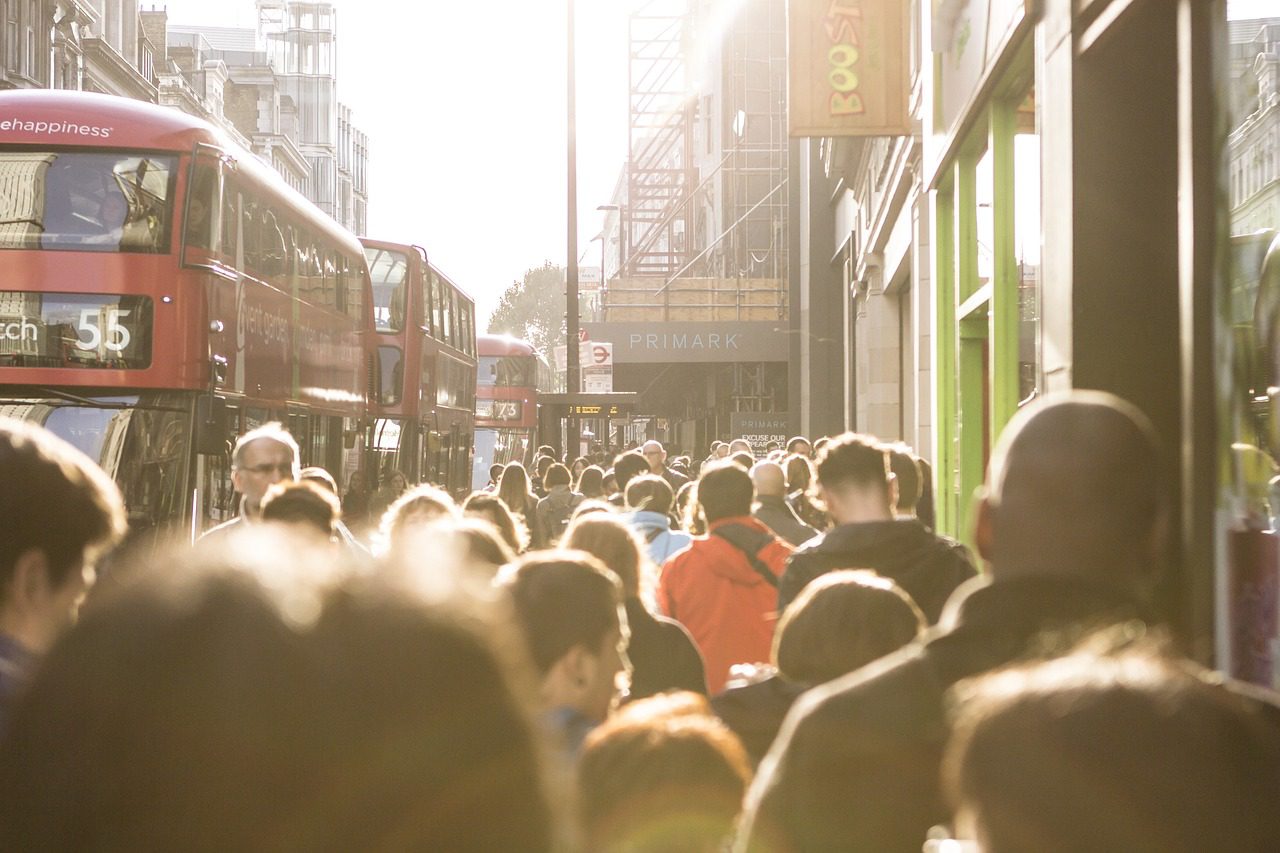
In the late 20th century, new technologies in printing and publishing led to a mass exodus of journalists from Fleet Street. The traditional print workforce was dismissed, a new staff was brought in to operate the presses, and the adoption of computer technology rendered the powerful old print unions obsolete.
Although most newspapers moved away, the name ‘Fleet Street’ remains synonymous with the print and publishing trade. The St Bride’s Library holds a special collection dedicated to the typesetting and print industries. Nearby on Bouverie Street, a mural depicts the history of newspapers in the area.
The “Daily Express” is cited as the last newspaper to be published on Fleet Street. The final two journalists remaining on the street, who worked for the “Sunday Post”, finally left in 2016 when the paper closed its London offices.
The Street’s Cultural Heritage
Although the print industry dominated Fleet Street, it was also home to other enterprises. In 1905, The Automobile Association (The AA) was founded here. The Fleet Street area is also rich with monuments and memorials. You can find a bust of Edgar Wallace, a likeness of Mary, Queen of Scots, a bust of newspaper proprietor Lord Northcliffe, and a statue of Queen Elizabeth I stands above an entrance to the former St Dunstan’s parish rooms. Notable landmarks include the Temple Bar dragon, and a monument to Charles Lamb can be found in the Inner Temple Gardens.
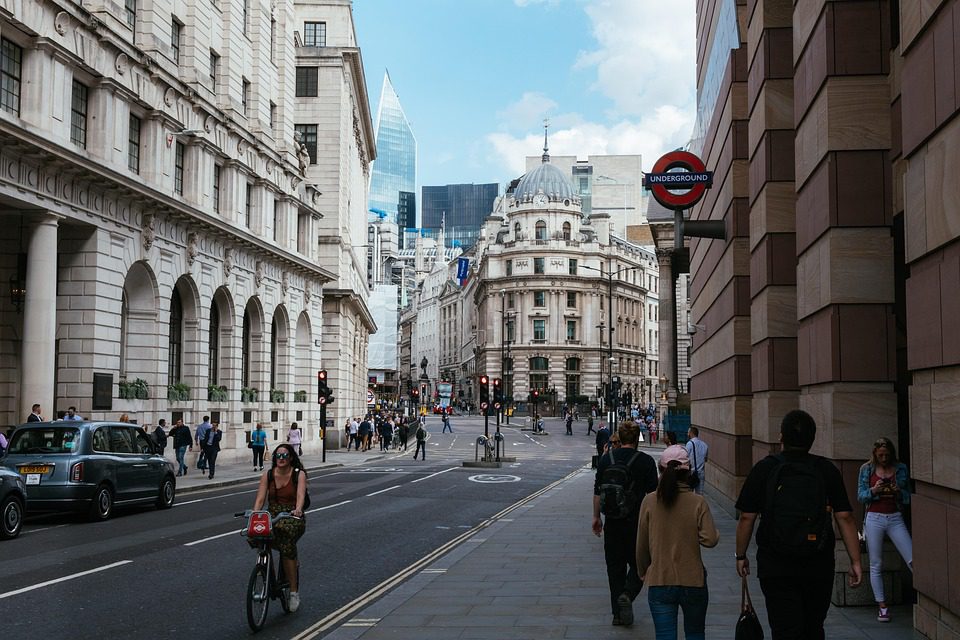
At the southern end of the street, you can see the Temple Bar Memorial. This marks the spot where the original Temple Bar, a historic arch, stood before it was dismantled. Although the original arch was later re-erected elsewhere, the memorial remains a potent symbol of the street’s rich heritage.
Fleet Street Today
Today, Fleet Street remains a vital part of London, preserving the capital’s architectural and cultural heritage. Although the newsrooms have relocated to other parts of the city, the street continues to be a major centre for the legal profession. Its historic buildings and storied past continue to attract tourists, eager to soak up its history and see its many landmarks.
Fleet Street is more than just a street; it is a piece of London’s living history, having played a crucial role in the capital’s development. It retains the spirit of its past, which continues to fascinate both Londoners and tourists alike.